

Genetic Hearing Loss
Genetic Hearing Loss Treatment in London
Genetic hearing loss often runs in families and may appear at birth or later in life, progressing slowly over time. Many people live full, active lives with care. An immediate review is needed for sudden hearing changes, rapid deterioration, unilateral symptoms, severe imbalance, neurological signs, or hearing loss after illness or injury.
Comprehensive Care for Hearing, Vertigo & Balance
Comprehensive Care for Hearing, Vertigo & Balance
Inherited Hearing Changes
An Overview of Genetic Hearing Loss
Genetic hearing loss occurs when changes in genes affect how the ear develops or how it processes hearing signals. These genetic variations may be inherited from one or both parents or arise spontaneously. Hearing loss can be present from birth or develop later in childhood or adulthood, and may remain stable or change gradually over time.
Some genetic forms affect only hearing, while others occur as part of broader genetic syndromes involving balance, vision, or other body systems. The degree and pattern of hearing loss vary widely between individuals, even within the same family. Identifying a genetic cause helps guide monitoring, management decisions, and long-term planning for hearing health.
OUR REVIEW
Trusted by Patients,
Proven by Results
EXCELLENT Based on 114 reviews
 Posted on Google
 clive drakeI have had my unbalance / vestibular medical problems for many years and almost given up on finding a knowledgeable Doctor and a clinic with the capabilities to help me understand the complex problem and work towards finding solutions. The Dr here and the facilities are exceptional, which I cannot praise enough. Very happy to found this place and cannot recommend high enough.Posted on Google
 Soydan OsmanI was seen by audiologist and Dr Arun, they were attentive, caring and took time to listen and adaptations were made throughout the appointment to support my anxiety and claustrophobia. This made a significant difference and genuinely helped me through the audiology testing. I gave an explanation of my current symptoms to Dr Arun he displayed great listening, compassion and understanding. The treatment I received on the day has greatly improved my symptoms, the one reassuring thing is any follow up is required is knowing that I will be in safe hands. I received my clinic letter promptly. After care queries handled by the admin team was exceptional, prompt and helpful. Overall the service was impeccable.Posted on Google
 Diana GranadosI had an outstanding experience with Harley Street Vestibular Clinic and cannot recommend them highly enough. I developed severe vertigo while visiting London, and it was an incredibly frightening experience as it was my first time ever experiencing dizziness like that. I called the clinic on a Saturday, fully expecting to leave a voicemail since they were closed. To my surprise, the office manager, Preeti, returned my call that same day. I was so grateful. She was kind, reassuring, and went above and beyond to arrange an appointment for me first thing on Monday. From the moment I arrived, the entire team was professional, efficient, and compassionate. They understood how urgent and distressing my symptoms were and made every effort to see me as quickly as possible. The vestibular audiologist was exceptional—she took the time to thoroughly evaluate me, clearly explain everything she was doing, answer every one of my questions, and perform the appropriate treatment. I never felt rushed, and her expertise immediately gave me confidence that I was in the right hands. The clinic was incredibly responsive, organized, and genuinely caring throughout the entire process. They turned what was a very scary situation into one where I felt supported and well cared for. I am truly thankful to Preeti and the entire team for their kindness, professionalism, and outstanding care. If you are experiencing vertigo, dizziness, or balance problems, I would not hesitate to recommend Harley Street Vestibular Clinic.Posted on Google
 erika thomaziGreat positive experience!Posted on Google
 Carol BunyanI could not fault my follow up appointment with Dr Aran and his team. He really does take the time to listen to your questions and really puts himself out to set you on the road to recovery . He genuinely seems interested in getting you better. I would highly recommend this practice.Posted on Google
 Ged RobinsonDr Benjamin Shaw was extremely thorough in his assessment of my recent attacks of vertigo. I have total confidence in his ability, once I have completed the further tests he has arranged at the Wimbledon clinic, to diagnose what is causing this issue with my health.Posted on Google
 Adrian LoweI thoroughly recommend the Harley Street Audio Vestibular Clinic. I had an appointment with Dr Rudy Palaniappan who listened carefully to me, conducted a brilliant examination and explained everything to me with a future plan very clearly. I was really impressed!Posted on Google
 EvanDr Arun provided an excellent virtual consultation, took the time to understand symptoms and history and provided an initial diagnosis and treatment plan. It did not feel rushed or with any bias. Received comprehensive notes and summary promptly after the appointment. Would fully recommend.Posted on Google
 shahram zarafshanDr. Arun Pajaniappane is a brilliant and expert doctor. He was also incredibly friendly, making for a truly excellent experience.
Pinpointing the Cause
Diagnosing Genetic Hearing Loss
When to Get Checked
Genetic hearing loss often progresses slowly, but certain changes signal the need for timely specialist review.
You should get assessed if hearing worsens rapidly, appears suddenly, affects one ear, follows illness or injury, is linked with balance problems, vision changes, neurological symptoms, developmental delay, or when there is a strong family history combined with new or unexplained hearing changes in children or adults at any stage of life, where symptoms interfere with communication or safety daily.
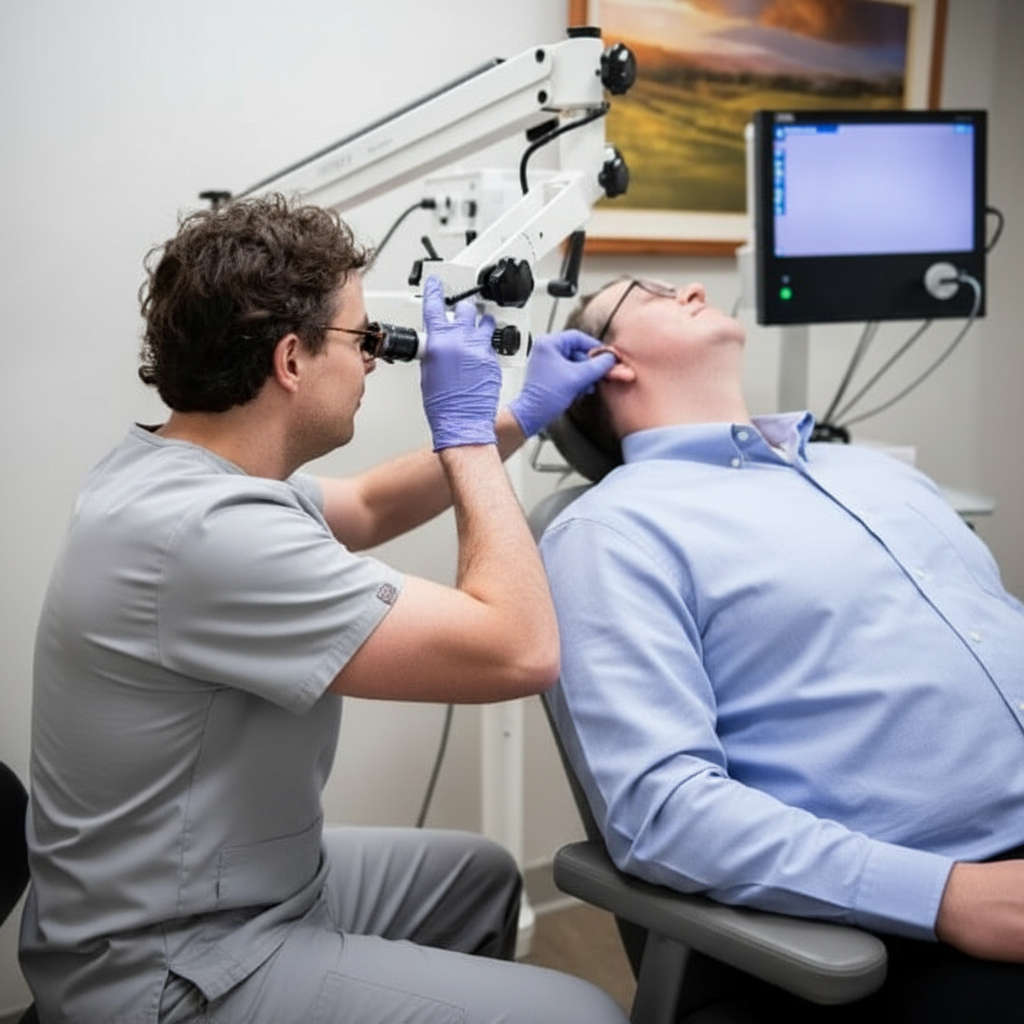

How We Assess Genetic Hearing Loss
At Harley AVM, we start by building a clear picture of the patient's personal and family hearing history. We explore when hearing changes first appeared, how they have evolved over time, and whether other family members are affected. We also consider childhood development, balance symptoms, and any associated medical conditions to understand how genetics may be influencing hearing.
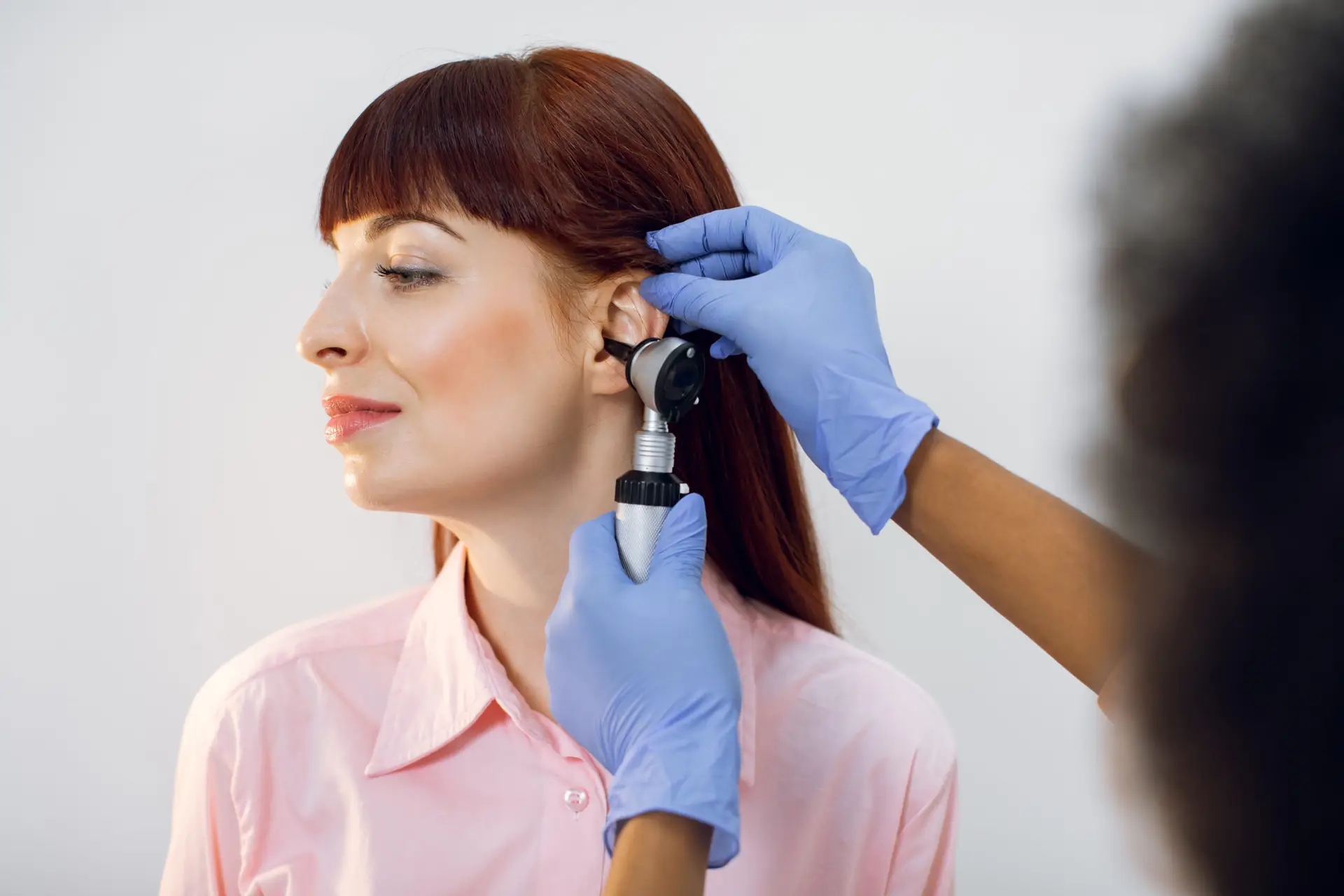
Symptoms guide assessment, and based on that, tests may include pure-tone audiometry, tympanometry, acoustic reflex threshold testing, eustachian tube function tests, otoacoustic emissions, speech audiometry, and speech-in-noise testing. Our senior audiovestibular consultant reviews all findings, ensuring results are interpreted within a lifelong and family-focused clinical context.


Major Insurance Providers Accepted








DIAGNOSTIC TESTS
Specialist Tests to Assess Hearing, Balance and Inner Ear Health
Harley Street Specialists in Hearing, Dizziness & Balance
Specialist Care for Genetic Hearing Loss
Every Genetic Hearing Loss case is different. Your consultant will create a tailored plan to address your specific symptoms and lifestyle – when it started, how it affects your day, and which tests and treatments are right for you.