

PPPD Treatment
PPPD Treatment in London
Persistent dizziness without spinning? PPPD is a common vestibular disorder triggered by prior events, manageable with targeted therapy, and not a sign of serious illness. At Harley AVM, our team effectively guides recovery. Seek urgent AVM care for sudden, severe headache, vision loss, weakness, slurred speech, or numbness. These high-risk symptoms need immediate evaluation.
Persistent Balance Processing Disorder
An Overview of PPPD
Persistent Postural-Perceptual Dizziness (PPPD) is a chronic balance condition characterised by ongoing dizziness, unsteadiness, or non-spinning vertigo that persists most days for months. Symptoms often feel worse when standing or walking, in visually busy environments, or during active movement, even though routine balance tests may appear normal.
PPPD usually develops after an initial balance event such as vestibular neuritis, BPPV, migraine, or a period of significant stress. The condition reflects altered brain processing of balance and spatial signals rather than ongoing inner-ear damage. Although symptoms can be distressing and long-lasting, PPPD is a recognised diagnosis. Identifying it accurately allows structured, targeted management aimed at restoring balance, confidence and daily function.
OUR REVIEW
Trusted by Patients,
Proven by Results
EXCELLENT Based on 114 reviews
 Posted on Google
 clive drakeI have had my unbalance / vestibular medical problems for many years and almost given up on finding a knowledgeable Doctor and a clinic with the capabilities to help me understand the complex problem and work towards finding solutions. The Dr here and the facilities are exceptional, which I cannot praise enough. Very happy to found this place and cannot recommend high enough.Posted on Google
 Soydan OsmanI was seen by audiologist and Dr Arun, they were attentive, caring and took time to listen and adaptations were made throughout the appointment to support my anxiety and claustrophobia. This made a significant difference and genuinely helped me through the audiology testing. I gave an explanation of my current symptoms to Dr Arun he displayed great listening, compassion and understanding. The treatment I received on the day has greatly improved my symptoms, the one reassuring thing is any follow up is required is knowing that I will be in safe hands. I received my clinic letter promptly. After care queries handled by the admin team was exceptional, prompt and helpful. Overall the service was impeccable.Posted on Google
 Diana GranadosI had an outstanding experience with Harley Street Vestibular Clinic and cannot recommend them highly enough. I developed severe vertigo while visiting London, and it was an incredibly frightening experience as it was my first time ever experiencing dizziness like that. I called the clinic on a Saturday, fully expecting to leave a voicemail since they were closed. To my surprise, the office manager, Preeti, returned my call that same day. I was so grateful. She was kind, reassuring, and went above and beyond to arrange an appointment for me first thing on Monday. From the moment I arrived, the entire team was professional, efficient, and compassionate. They understood how urgent and distressing my symptoms were and made every effort to see me as quickly as possible. The vestibular audiologist was exceptional—she took the time to thoroughly evaluate me, clearly explain everything she was doing, answer every one of my questions, and perform the appropriate treatment. I never felt rushed, and her expertise immediately gave me confidence that I was in the right hands. The clinic was incredibly responsive, organized, and genuinely caring throughout the entire process. They turned what was a very scary situation into one where I felt supported and well cared for. I am truly thankful to Preeti and the entire team for their kindness, professionalism, and outstanding care. If you are experiencing vertigo, dizziness, or balance problems, I would not hesitate to recommend Harley Street Vestibular Clinic.Posted on Google
 erika thomaziGreat positive experience!Posted on Google
 Carol BunyanI could not fault my follow up appointment with Dr Aran and his team. He really does take the time to listen to your questions and really puts himself out to set you on the road to recovery . He genuinely seems interested in getting you better. I would highly recommend this practice.Posted on Google
 Ged RobinsonDr Benjamin Shaw was extremely thorough in his assessment of my recent attacks of vertigo. I have total confidence in his ability, once I have completed the further tests he has arranged at the Wimbledon clinic, to diagnose what is causing this issue with my health.Posted on Google
 Adrian LoweI thoroughly recommend the Harley Street Audio Vestibular Clinic. I had an appointment with Dr Rudy Palaniappan who listened carefully to me, conducted a brilliant examination and explained everything to me with a future plan very clearly. I was really impressed!Posted on Google
 EvanDr Arun provided an excellent virtual consultation, took the time to understand symptoms and history and provided an initial diagnosis and treatment plan. It did not feel rushed or with any bias. Received comprehensive notes and summary promptly after the appointment. Would fully recommend.Posted on Google
 shahram zarafshanDr. Arun Pajaniappane is a brilliant and expert doctor. He was also incredibly friendly, making for a truly excellent experience.
Pinpointing the Cause
Diagnosing PPPD
When to Get Checked
You should get assessed if ongoing dizziness or unsteadiness lasts for several weeks, feels worse when standing, walking, or in visually busy environments, or follows a previous balance episode such as vertigo, migraine, or illness. Symptoms that persist despite reassurance or normal test results also warrant audiovestibular review.
You should seek urgent assessment if dizziness begins suddenly with new neurological symptoms, severe headache, weakness, speech difficulty, visual loss, or repeated falls. Early evaluation helps exclude other causes and ensures appropriate support and management.


How We Assess PPPD
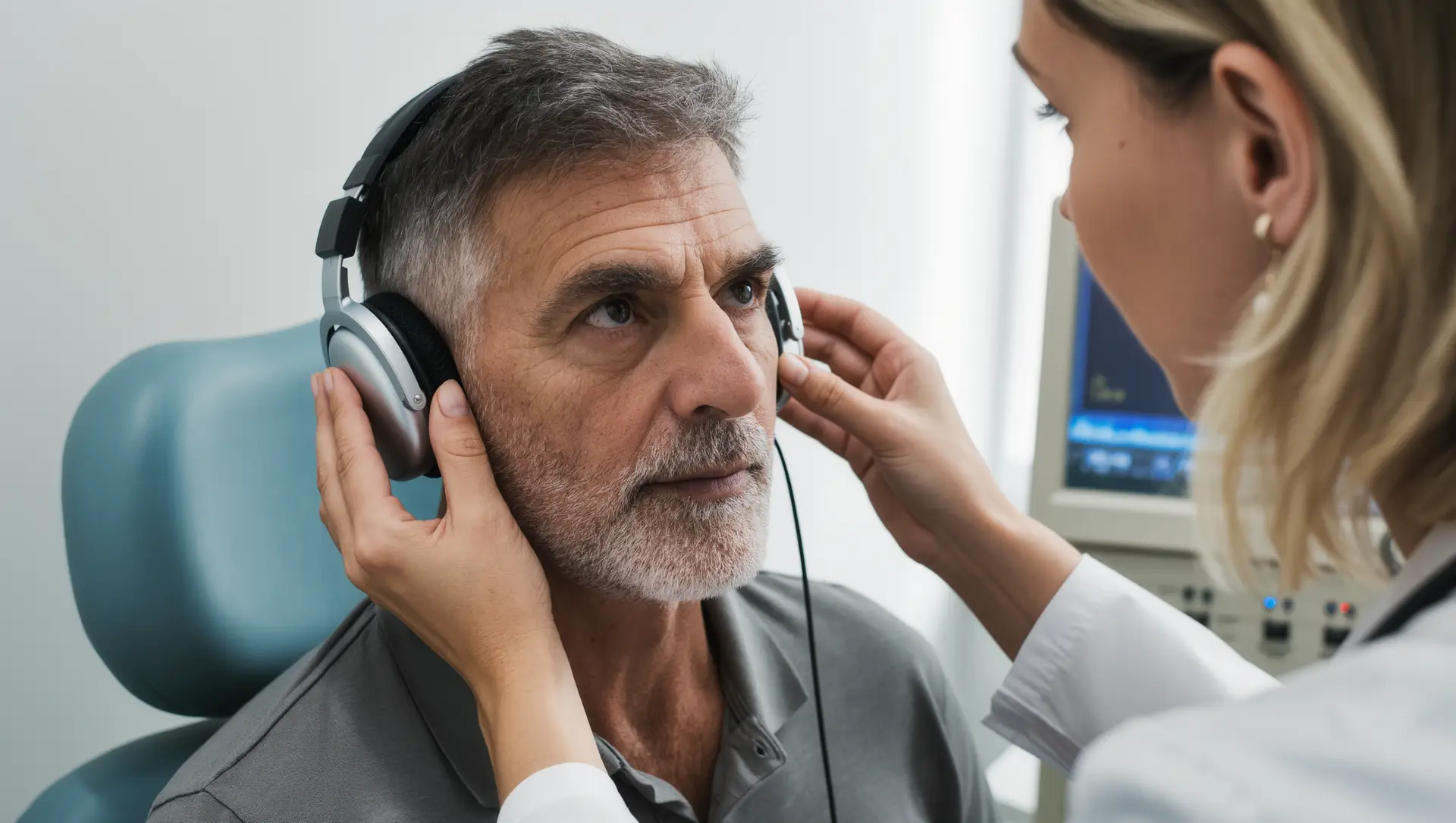
At Harley Audiovestibular Clinic, our senior audiovestibular healthcare professional begins by taking your detailed history and exploring dizziness, persistence, triggers, unsteadiness, and prior events to confirm PPPD diagnostic criteria. We prioritise unhurried consultations with our consultants to deeply understand your experience for accurate profiling.
We proceed with balance testing, gait analysis, and questionnaires to rule out alternative diagnoses, followed by a collaborative review of results. Our senior team integrates these insights for a holistic diagnosis. This structured pathway sets us apart, enabling personalised rehabilitation plans that effectively rebuild stability and confidence. At Harley AVM, our focus is on delivering lasting recovery through expert care. We empower you with clear next steps and ongoing support tailored just for you.


Major Insurance Providers Accepted








DIAGNOSTIC TESTS
Specialist Tests to Assess Hearing, Balance and Inner Ear Health
FAQS
Common Questions for PPPD

Find answers to PPPD, treatment options, and how our specialists can help. If you have any further queries, our team at Harley Street Audiovestibular Clinic is here and happy to help.
Is PPPD Just Another Name for Anxiety
Psychological factors including anxiety and depression can contribute to the development and triggering of PPPD. However, there could be an underlying physical cause to symptoms which requires to be investigated and identified by a qualified vestibular specialist medical doctor. . PPPD can affect both men and women of any age, although it tends to be more common in people under the age of 50.
What Are the Symptoms of PPPD?
Symptoms can vary slightly from person to person. Some describe a feeling that their insides are in motion even while they are standing or sitting still. Others describe a sense of being in a boat that is rocking on the ocean. While still others describe their body swaying while they’re otherwise still. At Harley Street AVM we often encounter patients who talk of feeling “drunk” although they have not consumed alcohol. A sense of physical detachment from reality is also fairly common. Patients can experience brain fog, difficulty with concentration, disorientation and intolerance to busy environments such as supermarkets.
What Causes PPPD?
PPPD almost never occurs as a stand-alone condition. In the majority of cases, people begin to experience PPPD in the aftermath of some other event, such as a vestibular migraine, vestibular neuritis or BPPV. It may also occur in the aftermath of a traumatic event such as a violent car crash or other physical or psychological trauma. There could be a persistent underlying inner ear or brain abnormality which drives the PPPD.
How Is PPPD Diagnosed?
PPPD is a diagnosis of exclusion. That means that it can be only diagnosed after a specialist doctor takes a detailed history, undertakes a full examination and, after you have had appropriate tests and scans to rule out other conditions. There are currently no diagnostic tests that can confirm the presence of PPPD.
Is Treatment Available for PPPD?
While there is no quick fix, there are treatment options available that can help. Over time it is possible to manage symptoms to such a degree that the person can once again experience a more or less normal life. But it will take time. Medication, Physiotherapy, desensitisation therapy, and psychological treatment when used in concert with one another have been known to produce beneficial results.
Harley Street Specialists in Hearing, Dizziness & Balance
Specialist Care for PPPD
Every PPPD case is different. Your consultant will create a tailored plan to address your specific symptoms and lifestyle – when it started, how it affects your day, and which tests and treatments are right for you.