

A Clear Guide to Benign Paroxysmal Positional Vertigo
Swift Relief for Benign Paroxysmal Positional Vertigo
Feeling dizzy with sudden spins when turning in bed or looking up? You’re not alone; this common inner ear issue affects millions and is rarely serious. At Harley AVM, our team resolves most cases swiftly. Seek urgent care if accompanied by severe headache, vision loss, weakness, or speech issues needing immediate AVM evaluation.
Comprehensive Care for Hearing, Vertigo & Balance
Comprehensive Care for Hearing, Vertigo & Balance
Vestibular Crystal Disruption
An Overview of Benign Paroxysmal Positional Vertigo
Benign paroxysmal positional vertigo is a balance disorder caused by tiny calcium crystals, known as otoconia, shifting from their usual position into the fluid-filled balance canals of the inner ear. When the head changes position, these misplaced crystals disturb normal fluid movement, sending false signals to the brain about motion and position.
This results in brief, sudden episodes of spinning vertigo, often triggered by rolling over in bed, looking up, or bending down. Although symptoms can feel intense, BPPV does not damage hearing or the brain. Episodes are usually short-lived, but may recur until the crystals are repositioned through targeted manoeuvres or settle over time.
OUR REVIEW
Trusted by Patients,
Proven by Results
EXCELLENTTrustindex verifies that the original source of the review is Google. Dr. Arun Pajaniappane is a brilliant and expert doctor. He was also incredibly friendly, making for a truly excellent experience.Posted onTrustindex verifies that the original source of the review is Google. I had an excellent consultation where both the doctor Arun Pajaniappane and the audiologist were highly professional, attentive, and genuinely responsive to my concerns. They listened carefully to my problems and explained everything clearly throughout the appointment. The procedures carried out were handled with great care and efficiency, which made me feel comfortable and well looked after. I very much appreciated their professionalism and patient-centred approach.Posted onTrustindex verifies that the original source of the review is Google. My first consultation with Dr Arun Pajaniappane was an excellent experience. He listened carefully to me & did extensive tests to try to determine the correct diagnosis.Posted onTrustindex verifies that the original source of the review is Google. my experience from the first phone call to meeting with Dr Arun on Monday has been outstanding. i have been suffering for four years with PPPD and Dr Arun and his team were beyond respectful, helpful and friendly, after feeling totally lost for the last four years being thrown from one HCP to another, I now have hope. Amazing experience and would strongly recommend Dr Arun and this practice for any vestibular disorders.Posted onTrustindex verifies that the original source of the review is Google. Very good service efficient booking and profesional approachPosted onTrustindex verifies that the original source of the review is Google. Fantastic carePosted onTrustindex verifies that the original source of the review is Google. Great experience at Harley AVM. Attended the clinic to have vestibular tests conducted - high professionalism and comfort!Posted onTrustindex verifies that the original source of the review is Google. A really good experience with the whole clinic - quick and efficient booking process, coordination between various teams, and generally a smooth operation. The consultation with Dr Rudy was very informative - he takes the time to understand the issue and answer questions, the tests seem to be very comprehensive and he is clear on the path forward. Would definitely recommend.Posted onTrustindex verifies that the original source of the review is Google. I recommend Harley AVC for anyone struggling with dizziness/pppd who isn’t sure what their next steps should be
Pinpointing the Cause
Diagnosing Benign Paroxysmal Positional Vertigo
When to Get Checked
You should get assessed if vertigo episodes disrupt daily life, persist beyond weeks, or recur frequently. At Harley AVM, our team provides swift evaluations for position-triggered dizziness, ensuring tailored audiovestibular care.
Seek urgent review for sudden hearing loss, severe headaches, double vision, speech difficulties, weakness, or chest pain; these signal potential serious issues needing immediate attention. Contact our clinic directly for prompt clinician triage and peace of mind.


How We Assess Benign Paroxysmal Positional Vertigo
At Harley Audiovestibular Clinic, our assessment begins with a detailed history taken by a senior audiovestibular clinician, focusing on episode triggers, duration, and associated symptoms to confirm BPPV patterns. We emphasise quality time with our consultants, ensuring a thorough understanding of your experience without rush.
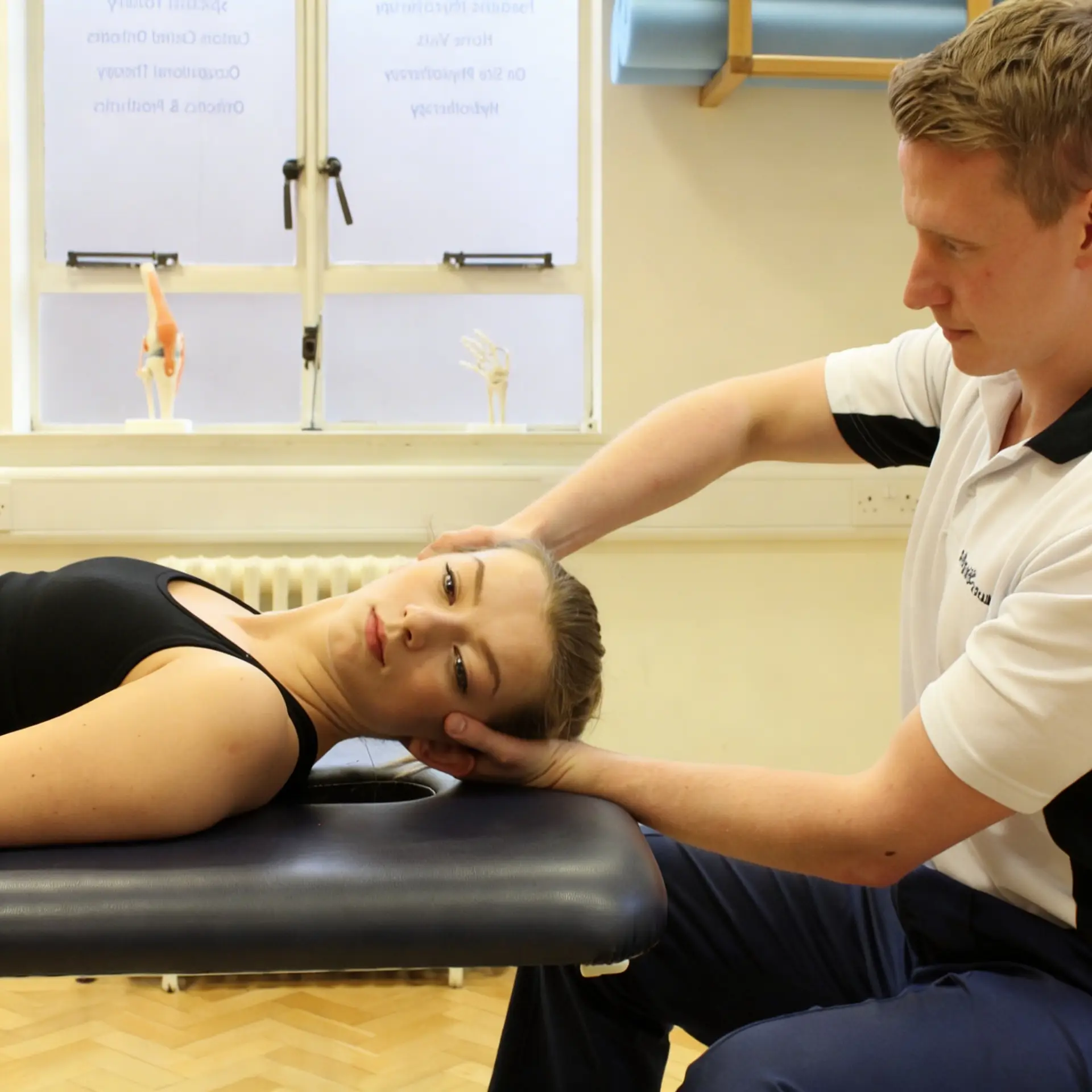
Next, we conduct targeted positioning tests, such as the Dix-Hallpike test, alongside balance and eye movement evaluations, if needed. This streamlined pathway differentiates us, delivering precise diagnosis and personalised repositioning plans efficiently for optimal outcomes. We explain findings clearly during the consultation and adjust the assessment in real time based on your responses. Where BPPV is confirmed, management often begins the same day, reducing uncertainty and unnecessary delays.


Major Insurance Providers Accepted








DIAGNOSTIC TESTS
Specialist Tests to Assess Hearing, Balance and Inner Ear Health
FAQS
Common Questions For Audiological and Vestibular Diagnostics

Find answers to audiological and vestibular diagnostics, treatment options, and how our specialists can help. If you have any further queries, our team at Harley Street Audiovestibular Clinic is here and happy to help.
What Are Audiological Tests?
“Audiological tests” are a range of simple, low-impact tests designed to assess your ear hearing function. One of them is a standard hearing test which will gauge your ability to hear sound across a range of frequencies from high to low and in between. Other tests include tests of how well the bones in your middle ear work (ossicles), the pressure in your middle ear, how well your ear drum is working. One of the specialist tests we perform at Harley AVM is tests of your cochlea (inner ear hearing organ) hair cell function, which may show early evidence of hearing deterioration even before you’re hearing test know as “Hidden Hearing Loss”. You may also be tested on your ability to hear speech as part of audiological tests.
When Should I Get My Hearing Tested?
If you feel you are no longer hearing as well as you did before, or you are struggling to discern individual voices in a crowded room, or you need to turn the volume on the TV up higher than you used to, it is a good idea to get your hearing tested. If you need a hearing aid, the sooner you get one the better.
Do Audiological Tests in London Take a Long Time?
Most people are in and out of our clinic in about an hour. The test itself typically takes about 30 minutes but you should allow extra time to prepare for the test and to discuss the results with the Audiologist afterward. If required, you can also consult our Audiovestiular Physicians, who are medical doctors of hearing and balance for further consultation and investigation of why you have a hearing loss.
Is It Possible to Lose Hearing on One Side Only?
Hearing loss on one side has many possible causes. It could be something as simple as excessive wax buildup in the affected ear. Or it may be the result of trauma or injury, or perhaps the result of sensorineural or even mechanical issues within the ear itself. Rarely, one sided hearing loss can be due to tumours of the brain and hence it is vital to have this symptom investigated as soon as possible by a medical doctor.
Will I Need a Hearing Aid?
It depends entirely on the results of the audiology test. If the Audiologist from Harley St AVM deems it necessary, they will recommend a hearing aid and answer any questions you may have about the device. You can get these via the NHS. Or, if you wish, you can purchase the latest, most up to date model of hearing aid privately via our specialist audiologist at our clinic The latest hearing aids have come a long way, are much smaller and incorporate the latest advances of technology enabling you to connect with your mobile phone and computer.
Are There Ways to Prevent Hearing Loss?
If your work exposes you to loud noise levels, you should wear hearing protection at all times. Loud music is another common cause of hearing loss and should be avoided. Also, it is never a good idea to stick cotton swabs in your ear as they may do more harm than good.
What Do the Words Benign Paroxysmal Positional Vertigo Mean?
Benign means the condition, while vexing, is not life-threatening. Paroxysmal means that symptoms tend to ebb and flow. That is, they may be fairly low-level for a while and then suddenly intensify without warning. Positional indicates the condition is linked to the position of the head. So suddenly changing the position of your head or even turning it slightly while lying in bed may trigger symptoms. Vertigo is a sense of instability and may include a spinning sensation or a feeling that you are out of sync with your surroundings.
Is BPPV a Common Condition?
Approximately 30 out of every 1,000 people experience BPPV in a given year. It is also likely that many cases of BPPV go unreported by people who believe their vertigo is caused by something else. BPPV in children, while not common, does happen and also tends to get misdiagnosed as something else or simply not detected at all because the child does not know how to communicate what they’re feeling.
Why Do Head Movements Trigger BPPV?
The mechanism behind BPPV is thought to be due to calcium crystals in the inner ear that migrate when the head is moved, to positions they were not intended to occupy. These crystals play an important role in orientating a person to their surroundings. When they unexpectedly move into the wrong position, they start to send mixed signals to the brain resulting in vertigo.
How Do I Know I Have BPPV?
If you experience vertigo but are unsure whether it stems from BPPV ask yourself these questions:
When you turn over in bed do you suddenly feel like your head is spinning?
Are you suddenly beset by vertigo when you stand up, tilting your head back, or after bending over to retrieve something on the floor?
Is the vertigo accompanied by nausea or vomiting?
If you answer “yes” to one or more of these questions there is a good chance your vertigo is caused by BPPV. The best course of action is to seek help from a specialist at Harley Street AVM.
What Do the Words Benign Paroxysmal Positional Vertigo Mean?
Benign means the condition, while vexing, is not life-threatening. Paroxysmal means that symptoms tend to ebb and flow. That is, they may be fairly low-level for a while and then suddenly intensify without warning. Positional indicates the condition is linked to the position of the head. So suddenly changing the position of your head or even turning it slightly while lying in bed may trigger symptoms. Vertigo is a sense of instability and may include a spinning sensation or a feeling that you are out of sync with your surroundings.
Is BPPV a Common Condition?
Approximately 30 out of every 1,000 people experience BPPV in a given year. It is also likely that many cases of BPPV go unreported by people who believe their vertigo is caused by something else. BPPV in children, while not common, does happen and also tends to get misdiagnosed as something else or simply not detected at all because the child does not know how to communicate what they’re feeling.
Harley Street Specialists in Hearing, Dizziness & Balance
Specialist Care for Benign Paroxysmal Positional Vertigo (BPPV)
Every Benign Paroxysmal Positional Vertigo (BPPV) case is different. Your consultant will create a tailored plan to address your specific symptoms and lifestyle – when it started, how it affects your day, and which tests and treatments are right for you.