


Hearing changes after a head injury are common and may follow concussion, whiplash, or minor trauma. Symptoms often improve with time and support.

Ototoxicity
Ototoxicity refers to hearing or balance changes linked to certain medications and treatments. Many effects are mild, temporary, or monitored safely during care.

Auditory Processing Disorder
Auditory processing disorder affects how the brain interprets sound, even when hearing tests appear normal. It is common in both children and adults and often manageable with the right support.

Misophonia
Misophonia causes strong emotional and physical reactions to specific everyday sounds, such as chewing or breathing. Many people experience this sensitivity, and it does not indicate ear damage.

Hyperacusis
Hyperacusis makes everyday sounds feel uncomfortably loud or overwhelming, often without causing ear damage.

Auditory Neuropathy Spectrum Disorder
Auditory neuropathy spectrum disorder affects how sound signals travel from the inner ear to the brain, so hearing can seem inconsistent, especially in noise.
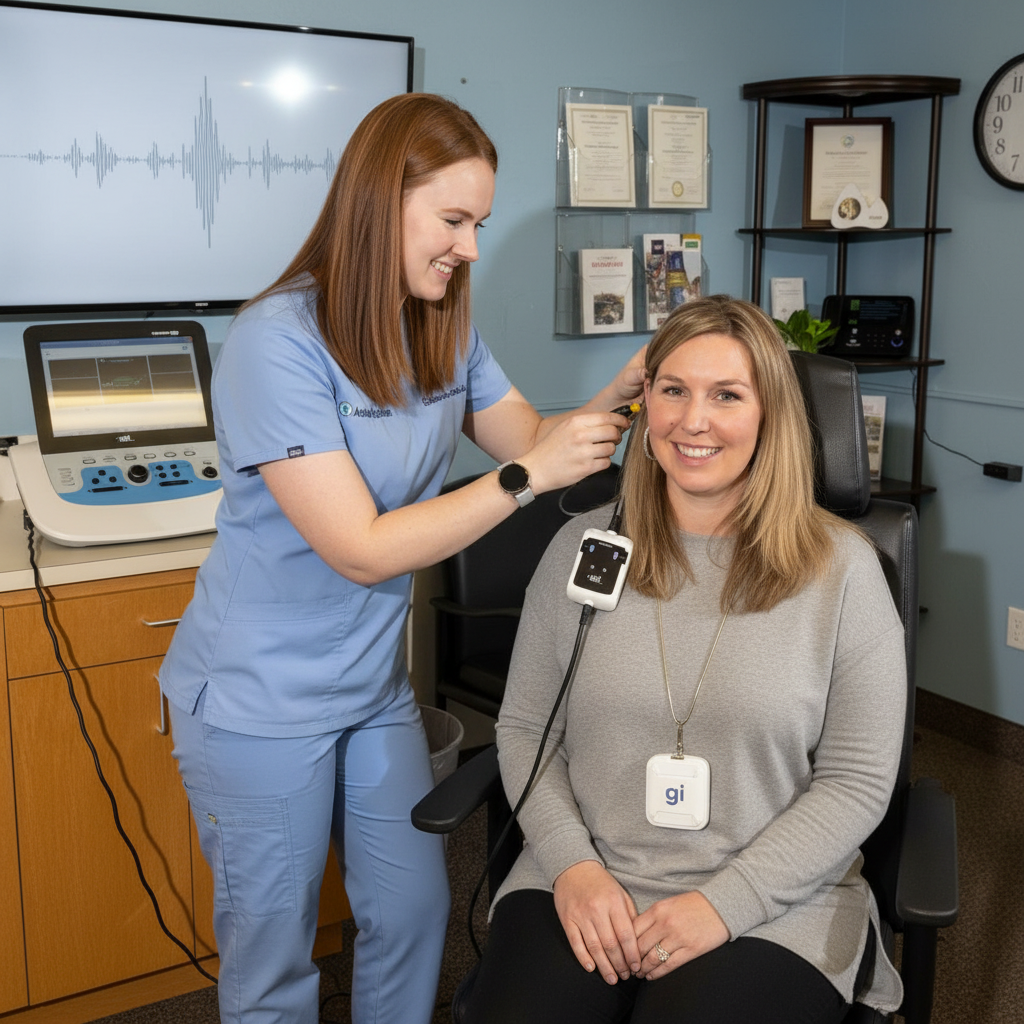
Glue Ear
Glue ear commonly affects children and adults when fluid collects behind the eardrum, causing muffled hearing or pressure. It settles with time and treatment.

Genetic Hearing Loss
Genetic hearing loss often runs in families and may appear at birth or later in life, progressing slowly over time. Many people live full, active lives with care.

Autoimmune Inner Ear Disease
Autoimmune inner ear disease can cause fluctuating hearing loss, tinnitus, or imbalance as the immune system affects inner ear structures. For many people, symptoms respond well to early treatment.

Conductive Hearing Loss
Conductive hearing loss is frequently caused by changes in the outer or middle ear, such as fluid build-up, infection, or blockage, and is often reversible.
- 1
- 2