

Spin Spotter Sequence
Dix-Hallpike Tests in London
The Dix-Hallpike test is used to diagnose Benign Paroxysmal Positional Vertigo or BPPV. BPPV is one of the most common types of inner ear disorders and typically produces a sudden sensation of dizziness or spinning when a person moves their head into certain positions. This is believed to be the result of tiny crystals of calcium carbonate detaching from their normal position within the ear and floating into the semicircular canals where they shouldn’t be. Harley St AVM provide simple and reliable Dix-Hallpike tests in London that are considered the gold standard for diagnosing BPPV.
Advanced Hearing & Balance Tests
Advanced Hearing & Balance Tests
Crystal Drift Detection
Head-Turn Vertigo Reveal
You can expect a Dix-Hallpike test at Harley St AVM to unfold in the following manner:
-Following history and other assessment, one of our very experienced doctors will have you seated on examination couch .
-The doctor will then ask you to turn your head at a 45° angle.
-While turning your head you will be asked to keep your eyes open.
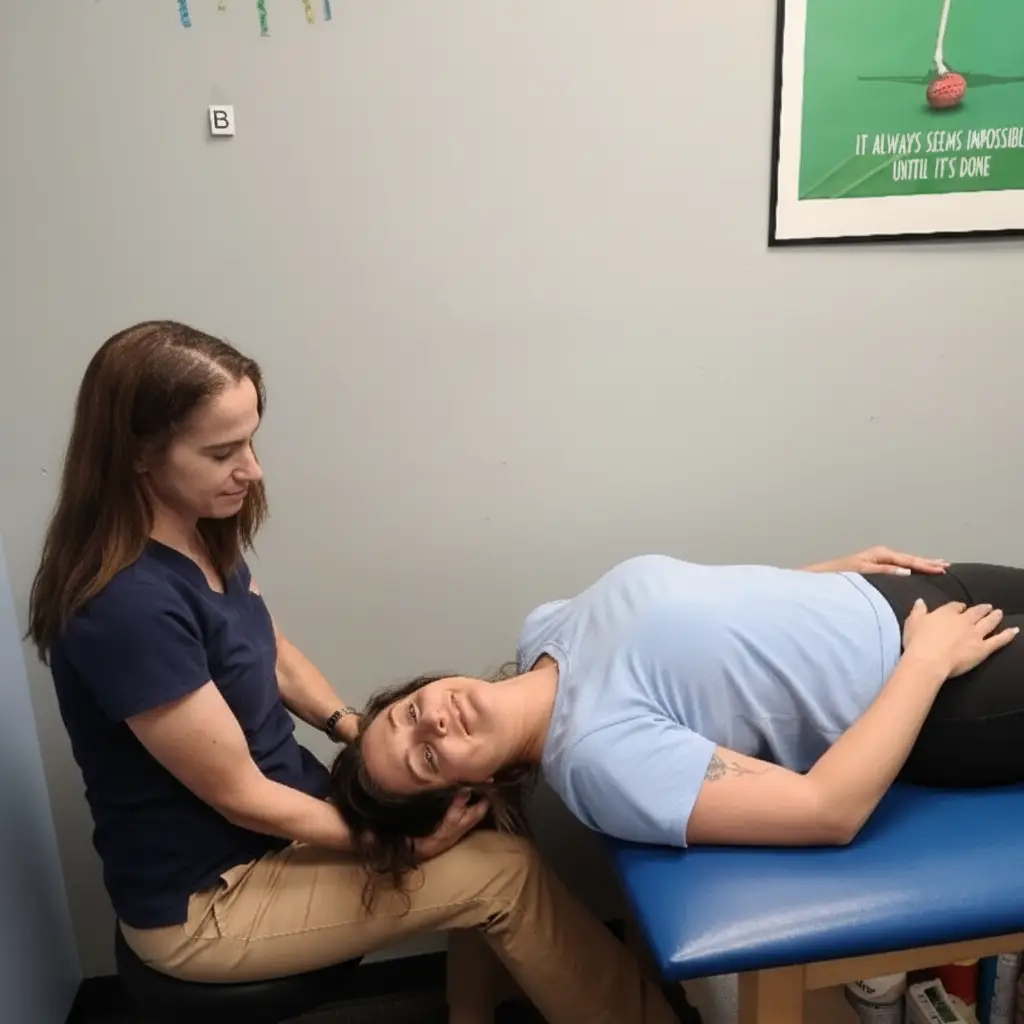
-Next, the doctor will hold your head and assist you in leaning back and lying down with one ear pointing toward the floor.
-You will need to remain in this position for 30 seconds to a minute with the doctor supporting the weight of your head to prevent neck strain.
-While you are in this position the doctor will observe your eyes for signs of nystagmus.
-After carefully observing your eyes the doctor will help you sit back upright and relax.
Nystagmus is a condition that causes involuntary eye movements. It is also a reliable indicator of BPPV provided that the nystagmus is accurately interpreted by a specialist like our medical doctors. BPPV can sometimes also be diagnosed with the presence of typical nystagmus and your specialist will be able to guide you on this.
Nystagmus can also be due to other causes such as problems with the brain or brain tumours and hence, accurate assessment by a specialist is important.
OUR REVIEW
Trusted by Patients,
Proven by Results
EXCELLENTTrustindex verifies that the original source of the review is Google. Dr. Arun Pajaniappane is a brilliant and expert doctor. He was also incredibly friendly, making for a truly excellent experience.Posted onTrustindex verifies that the original source of the review is Google. I had an excellent consultation where both the doctor Arun Pajaniappane and the audiologist were highly professional, attentive, and genuinely responsive to my concerns. They listened carefully to my problems and explained everything clearly throughout the appointment. The procedures carried out were handled with great care and efficiency, which made me feel comfortable and well looked after. I very much appreciated their professionalism and patient-centred approach.Posted onTrustindex verifies that the original source of the review is Google. My first consultation with Dr Arun Pajaniappane was an excellent experience. He listened carefully to me & did extensive tests to try to determine the correct diagnosis.Posted onTrustindex verifies that the original source of the review is Google. my experience from the first phone call to meeting with Dr Arun on Monday has been outstanding. i have been suffering for four years with PPPD and Dr Arun and his team were beyond respectful, helpful and friendly, after feeling totally lost for the last four years being thrown from one HCP to another, I now have hope. Amazing experience and would strongly recommend Dr Arun and this practice for any vestibular disorders.Posted onTrustindex verifies that the original source of the review is Google. Very good service efficient booking and profesional approachPosted onTrustindex verifies that the original source of the review is Google. Fantastic carePosted onTrustindex verifies that the original source of the review is Google. Great experience at Harley AVM. Attended the clinic to have vestibular tests conducted - high professionalism and comfort!Posted onTrustindex verifies that the original source of the review is Google. A really good experience with the whole clinic - quick and efficient booking process, coordination between various teams, and generally a smooth operation. The consultation with Dr Rudy was very informative - he takes the time to understand the issue and answer questions, the tests seem to be very comprehensive and he is clear on the path forward. Would definitely recommend.Posted onTrustindex verifies that the original source of the review is Google. I recommend Harley AVC for anyone struggling with dizziness/pppd who isn’t sure what their next steps should be
Pinpointing the Cause
Nystagmus Noted, Balance Mapped
Gold-Standard BPPV Identifier
Knowing when to seek help matters. While sensorineural hearing loss is often gradual and manageable, certain patterns signal the need for prompt specialist review to rule out treatable or serious causes.
You should get assessed if hearing changes occur suddenly, affect one ear, are accompanied by pulsating sounds, severe dizziness, facial weakness, visual disturbance, new neurological symptoms, or follow infection, head injury, or new medication use. Prompt review ensures timely diagnosis and appropriate management of early care.
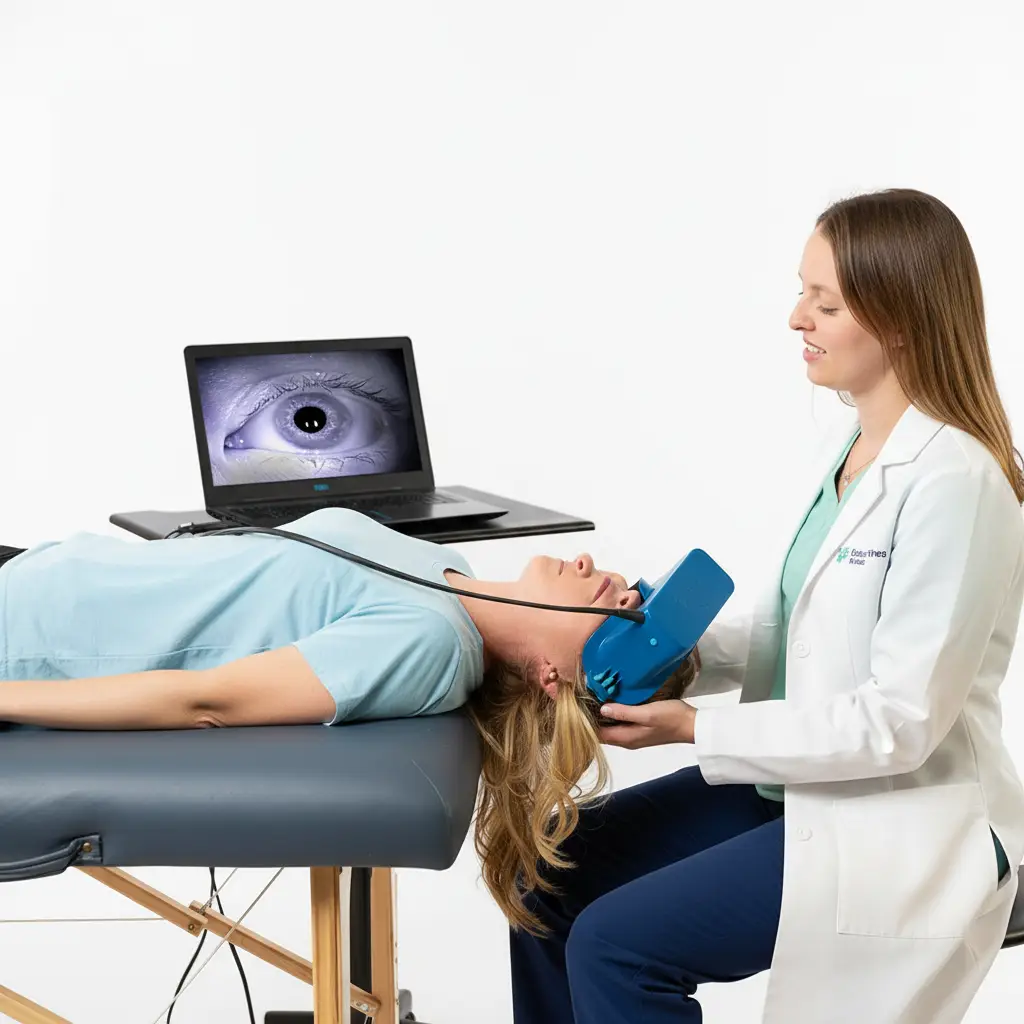

Precision Positioning for Vertigo Clarity
At Harley AVM, assessment starts with a detailed clinical history to understand how hearing has changed, whether symptoms are gradual or sudden, and how they affect communication and daily life. We explore associated features such as tinnitus, imbalance, noise exposure, medical history, and medication use. This step helps us decide which investigations are appropriate and avoids unnecessary testing.
Depending on symptoms, assessment may include pure-tone audiometry, speech audiometry, speech-in-noise testing, tympanometry, acoustic reflex threshold measurement, eustachian tube function testing, and otoacoustic emissions. All testing is reviewed with our senior audiovestibular clinician, ensuring results are interpreted within the full clinical picture.

Major Insurance Providers Accepted








our services
Conditions We Are Treating At Harley Street Audiovestibular Clinic
Expert Medical Care for Hearing, Tinnitus & Balance
Request An Appointment With One of Our Consultants
If you are living with dizziness, vertigo or unsteadiness, our team can help identify the cause. Your consultant will carry out the right combination of tests, explain the results in clear language and agree a treatment plan with you - so you know exactly what is happening and what can be done.