

A Clear Guide to Superior Canal Dehiscence
Targeted Assessment for Superior Canal Dehiscence
Hearing your heartbeat or footsteps loudly? This thinning of the inner ear structure is uncommon but treatable, and it typically does not signal grave illness. At Harley AVM, our team offers expert diagnosis and relief. Urgently seek AVM care for sudden cerebrospinal fluid leak signs like severe headache, neck stiffness, or neurological changes; these warning signs require immediate attention.
Comprehensive Care for Hearing, Vertigo & Balance
Comprehensive Care for Hearing, Vertigo & Balance
Sound and Pressure Pathway Defect
An Overview of Superior Canal Dehiscence
Superior canal dehiscence is a structural inner-ear condition where a small opening develops in the bone covering the superior semicircular canal. This extra opening creates an abnormal pathway for sound and pressure, altering how balance and hearing signals reach the brain and producing unusual sensory responses during everyday movements and noise exposure.
People may notice dizziness triggered by loud sounds, pressure changes, or their own voice, alongside imbalance or hearing distortion. Symptoms vary widely and can mimic other vestibular disorders. Although uncommon, the condition is identifiable. Careful assessment matters because treatment decisions depend on confirming the anatomical defect and its functional impact on daily life.
OUR REVIEW
Trusted by Patients,
Proven by Results
EXCELLENTTrustindex verifies that the original source of the review is Google. Dr. Arun Pajaniappane is a brilliant and expert doctor. He was also incredibly friendly, making for a truly excellent experience.Posted onTrustindex verifies that the original source of the review is Google. I had an excellent consultation where both the doctor Arun Pajaniappane and the audiologist were highly professional, attentive, and genuinely responsive to my concerns. They listened carefully to my problems and explained everything clearly throughout the appointment. The procedures carried out were handled with great care and efficiency, which made me feel comfortable and well looked after. I very much appreciated their professionalism and patient-centred approach.Posted onTrustindex verifies that the original source of the review is Google. My first consultation with Dr Arun Pajaniappane was an excellent experience. He listened carefully to me & did extensive tests to try to determine the correct diagnosis.Posted onTrustindex verifies that the original source of the review is Google. my experience from the first phone call to meeting with Dr Arun on Monday has been outstanding. i have been suffering for four years with PPPD and Dr Arun and his team were beyond respectful, helpful and friendly, after feeling totally lost for the last four years being thrown from one HCP to another, I now have hope. Amazing experience and would strongly recommend Dr Arun and this practice for any vestibular disorders.Posted onTrustindex verifies that the original source of the review is Google. Very good service efficient booking and profesional approachPosted onTrustindex verifies that the original source of the review is Google. Fantastic carePosted onTrustindex verifies that the original source of the review is Google. Great experience at Harley AVM. Attended the clinic to have vestibular tests conducted - high professionalism and comfort!Posted onTrustindex verifies that the original source of the review is Google. A really good experience with the whole clinic - quick and efficient booking process, coordination between various teams, and generally a smooth operation. The consultation with Dr Rudy was very informative - he takes the time to understand the issue and answer questions, the tests seem to be very comprehensive and he is clear on the path forward. Would definitely recommend.Posted onTrustindex verifies that the original source of the review is Google. I recommend Harley AVC for anyone struggling with dizziness/pppd who isn’t sure what their next steps should be
Pinpointing the Cause
Diagnosing Superior Canal Dehiscence
When to Get Checked
You should get assessed if vertigo attacks recur unpredictably, last longer than typical positional dizziness, or are accompanied by fluctuating hearing, ear fullness, or tinnitus affecting one ear. Increasing frequency or intensity of episodes should prompt audiovestibular review.
You should seek urgent assessment if vertigo occurs with sudden hearing loss, persistent vomiting, severe headache, new visual disturbance, neurological symptoms, or difficulty standing or walking. Early evaluation helps exclude other causes and ensures timely, appropriate management.

How We Assess Superior Canal Dehiscence
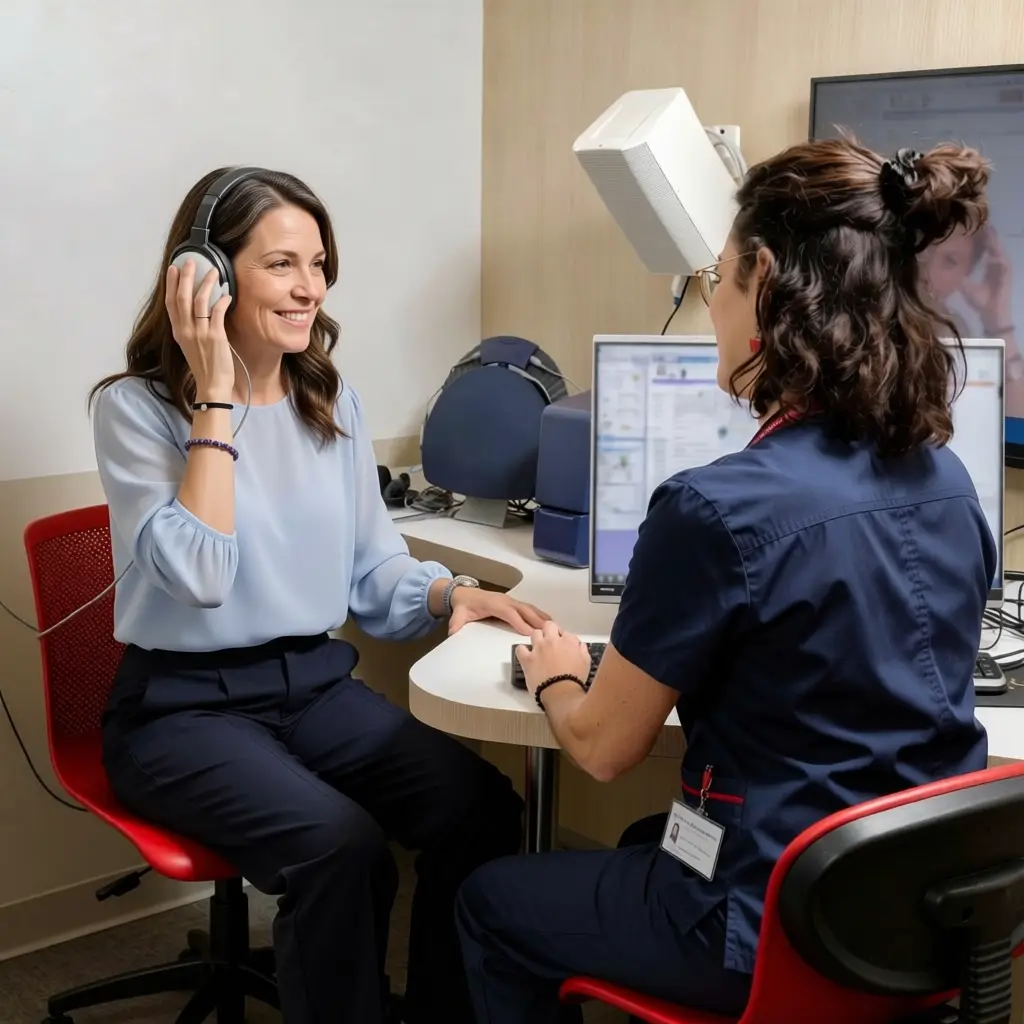
At Harley Audiovestibular Clinic, our process begins with a detailed history from a senior audiovestibular physician, followed by capturing symptoms such as autophony, sound-sensitive dizziness, or pulsatile tinnitus to identify superior canal dehiscence patterns. We prioritise unhurried consultations with our consultants to build a personalised picture of your experience.
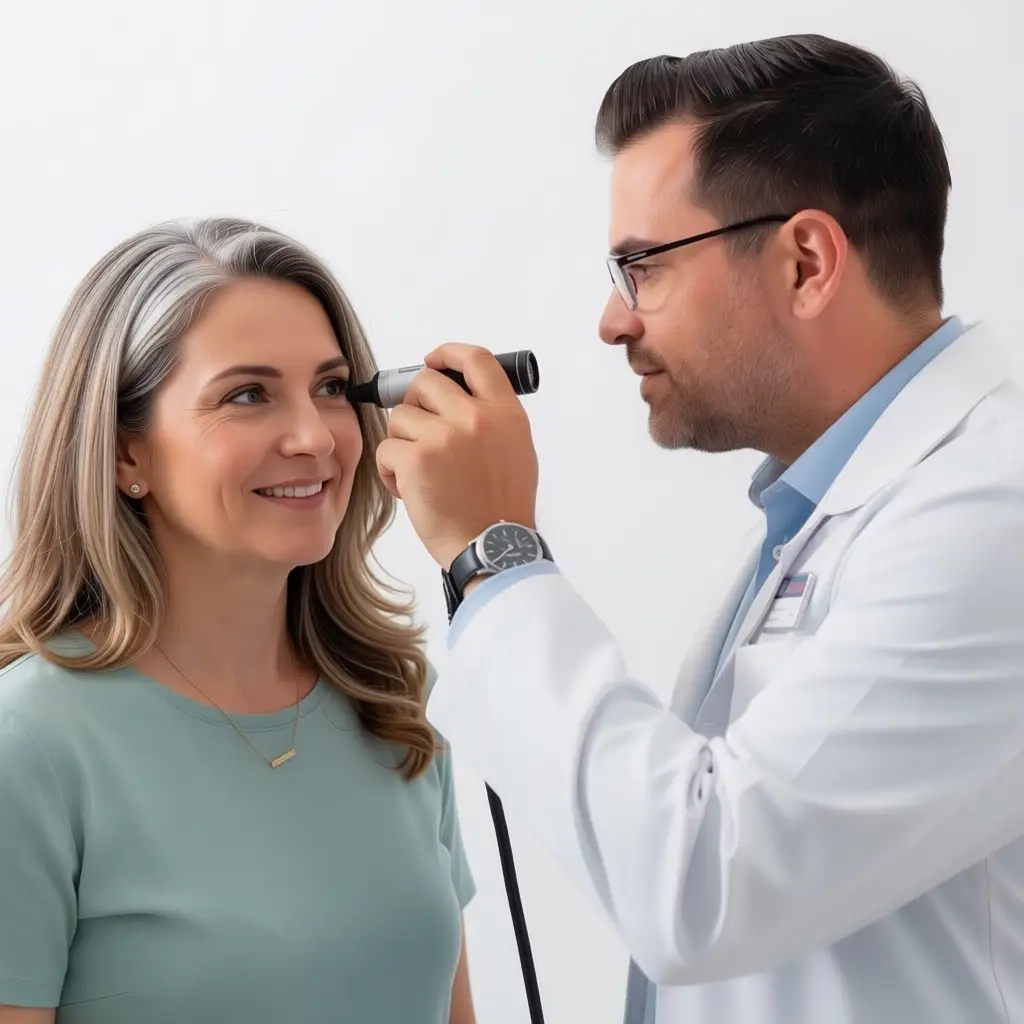
We proceed with specialised tests, including VEMP testing, high-resolution CT imaging, and audiometry, for definitive diagnosis. Our senior clinicians interpret these collaboratively for accuracy. This expert pathway distinguishes us, leading to tailored management options that enhance hearing protection and balance stability effectively. At Harley AVM, we guide you through every step with empathy. Our proven strategies restore confidence in sound-filled environments.


Major Insurance Providers Accepted








DIAGNOSTIC TESTS
Specialist Tests to Assess Hearing, Balance and Inner Ear Health
Harley Street Specialists in Hearing, Dizziness & Balance
Specialist Care for Superior Canal Dehiscence
Every Superior Canal Dehiscence case is different. Your consultant will create a tailored plan to address your specific symptoms and lifestyle – when it started, how it affects your day, and which tests and treatments are right for you.