
This guide is written for a UK audience. It covers what tinnitus is, the treatment options available here, how NHS and private care compare, and the signs that mean you should see a specialist.

If you live with ringing, buzzing or hissing in your ears, you are not alone, and you do have options. Effective tinnitus treatment in the UK ranges from sound therapy and structured talking therapies to treating any underlying cause. This guide explains the main approaches, what each one involves, and when it makes sense to see a specialist.
Tinnitus is very common. Around 1 in 7 adults in the UK experience it1. For many people it is mild and settles, but for others it affects sleep, concentration and mood. The right support can make a real difference.
This guide is written for a UK audience. It covers what tinnitus is, the treatment options available here, how NHS and private care compare, and the signs that mean you should see a specialist.
What is tinnitus, and can it be treated?
Tinnitus is the perception of sound with no external source. People often describe ringing, buzzing, whistling or humming. It can affect one ear, both ears, or seem to come from inside your head.
There is no single pill that cures most tinnitus2. Treatment is not only about a cure. The aim is usually to reduce how intrusive the sound feels, ease any distress, and help your brain learn to tune it out over time. Many people find their tinnitus becomes far less bothersome with the right approach.
Tinnitus is partly about the sound itself and partly about how much attention your brain gives it. When tinnitus feels threatening or frustrating, the brain tends to focus on it more, which makes it harder to ignore. Most modern treatments aim to break that cycle.
Your treatment will depend on the type of tinnitus you have, any related hearing loss, and how much it affects your daily life. A specialist assessment helps match the approach to you.
What causes tinnitus?
Tinnitus is a symptom rather than a disease. It often links to changes in the hearing system. Common contributing factors include:
- Hearing loss, including age-related and noise-related hearing loss1
- Exposure to loud noise, at work or through music and headphones
- A build-up of earwax or an ear infection
- Stress, anxiety and poor sleep, which can make tinnitus more noticeable
- Certain medicines that can affect the ears (ototoxicity)
In many cases, more than one factor is involved at once, which is why two people with similar symptoms may need different treatment. To explore this in more detail, see our guide on what causes tinnitus.
Tinnitus treatment options in the UK
There is no one-size-fits-all answer, but most evidence-based tinnitus treatment in the UK falls into a few main groups:
- Sound therapy: using gentle background sound to make tinnitus less noticeable.
- Tinnitus retraining therapy (TRT): sound therapy combined with structured counselling.
- Cognitive behavioural therapy (CBT): a talking therapy that reduces the distress tinnitus causes.
- Lifestyle adjustments: managing sleep, stress and noise exposure.
- Treating an underlying cause: for example, removing earwax or reviewing medication.
Sound therapy
Silence can make tinnitus stand out more. Sound therapy adds soft, neutral sound so the tinnitus is less obvious. This might be a small sound generator, a smartphone app, or background sounds such as rain or gentle static.
The aim is not to drown out the tinnitus completely. It helps your brain pay less attention to it. Many people use sound therapy at night, when a quiet bedroom can otherwise make the tinnitus feel louder.
Sound therapy is rarely used alone for troublesome tinnitus. It tends to work best as part of a wider plan that also addresses how you think and feel about the sound. Your audiologist can help you choose sounds and devices that suit your routine.
Tinnitus retraining therapy (TRT)
Tinnitus retraining therapy combines sound therapy with structured counselling. The idea is to help your brain reclassify the tinnitus as a neutral, unimportant signal, so it fades into the background over time3.
TRT is usually delivered over several months by an audiologist or hearing therapist. It can suit people whose tinnitus feels persistent and intrusive, particularly when it has started to affect concentration or sleep. Progress is gradual, so patience is part of the process.
A typical programme combines education about how tinnitus works, low-level sound enrichment, and regular reviews to track how you are getting on. You can read more about our hearing therapy service.
Cognitive behavioural therapy (CBT) for tinnitus
CBT does not change the sound itself. It changes how you respond to it, challenging unhelpful thoughts and reducing the worry and low mood that tinnitus can bring.
CBT has the strongest evidence base of any tinnitus therapy for improving quality of life4. It does not remove the sound, but it can greatly reduce its impact, which for many people is the outcome that matters most.
In the UK, CBT may be available through the NHS, through trained hearing therapists, or via psychology services at a private clinic. Sessions are typically structured and time-limited. Your consultant will assess whether it is right for you and how it fits with any other treatment.
Lifestyle adjustments
Day-to-day habits can influence how loud tinnitus feels. They will not cure it, but they often help you cope:
- Protect your hearing from loud noise and keep headphone volume moderate.
- Build a calming wind-down routine to support better sleep.
- Use relaxation techniques to manage stress and anxiety.
- Notice whether caffeine or alcohol seem to make your tinnitus worse, and adjust if so.
For more day-to-day tips, see our guide on how to relieve symptoms of tinnitus.
Treating an underlying cause
Sometimes tinnitus has a clear, treatable trigger. Removing a build-up of earwax, treating an ear infection, or reviewing a medicine that may be affecting your ears can all help2. This is one reason a proper assessment is so useful.
How long does tinnitus treatment take?
There is no fixed timeline, because everyone responds differently. Some people feel better within weeks once they understand their tinnitus and start using sound enrichment. Others, particularly those having TRT or CBT, work through a programme over several months.
The key is consistency. Tinnitus treatment tends to build gradually, so sticking with your plan and attending reviews gives you the best chance of lasting improvement. Your clinician will set realistic expectations from the start.
What about pulsatile tinnitus?
Most tinnitus is a steady tone or hiss. Pulsatile tinnitus is different. It is a rhythmic sound that often beats in time with your heartbeat.
Because pulsatile tinnitus can sometimes relate to blood flow or blood vessels near the ear, it is worth having it checked1. This is especially true if it is new, only in one ear, or troubling you.
Treatment for pulsatile tinnitus focuses on finding and addressing any underlying cause rather than masking the sound alone. A specialist assessment, sometimes including imaging, is the sensible first step. The right pathway will depend on what the assessment finds.
NHS vs private tinnitus care
You can access tinnitus support through the NHS or privately. Both routes can be helpful, and the right choice depends on your needs and how quickly you want to be seen.
Feature | NHS care | Private care |
Cost | Free at the point of use | Paid, or through private health insurance |
Referral | Usually via your GP | Often self-referral |
Waiting times | Can vary by area | Typically shorter |
Appointment length | Standard | Often longer, more tailored |
If you are searching for private tinnitus treatment in London, including the south east London area, a specialist audiovestibular clinic can offer a focused assessment and a personalised plan. The aim is to combine accurate diagnosis with the therapies described above, all in one place.
Whichever route you choose, the building blocks of good care are the same: a clear diagnosis, an explanation you understand, and a plan tailored to you. Private care often differs mainly in speed and appointment length rather than in the treatments on offer.
When should you see a tinnitus specialist?
Many cases of tinnitus settle or become easier to live with. However, some signs mean you should seek advice sooner. See a GP or specialist promptly if you have any of the following1:
- Tinnitus in only one ear
- Pulsatile tinnitus that beats in time with your heart
- A sudden change in your hearing
- Dizziness, vertigo or balance problems alongside the tinnitus
- Tinnitus that is affecting your sleep, mood or daily life
An earlier review usually means any underlying cause can be found and managed sooner. If your hearing changes suddenly, treat it as urgent and seek same-day advice.
What to expect at a specialist assessment
A specialist assessment is designed to understand your tinnitus and rule out anything that needs separate treatment. It typically includes a detailed history, an ear examination, and hearing tests. You may also have specialist tinnitus tests to characterise the sound you hear.
From there, your consultant will explain what is likely driving your tinnitus and discuss a plan with you. They will use realistic language rather than promises, because tinnitus care is about steady improvement rather than guaranteed outcomes.
You will usually leave with a clear idea of the next steps, whether that is sound therapy, a talking therapy, or treating an underlying cause.
Worried about your tinnitus? A specialist assessment can help you understand what is going on and what to do next. Find out about our tinnitus treatment service or contact our clinic to arrange a private tinnitus assessment in London.
Ready to take the next step? Explore our tinnitus treatment service or contact our clinic to arrange a private tinnitus assessment in London.
Frequently asked questions
Can tinnitus be cured?
For most people there is no outright cure, but tinnitus can be managed well. Therapies such as sound therapy, TRT and CBT can reduce how intrusive it feels and improve your quality of life2. Where there is a clear underlying cause, treating it may resolve the tinnitus.
Can stress or anxiety cause tinnitus?
Stress and anxiety do not usually cause tinnitus on their own, but they can make existing tinnitus feel louder and more distressing1. Managing stress and sleep often helps, and CBT can be very useful here.
Does tinnitus go away on its own?
It can. Tinnitus from a temporary trigger, such as a loud concert or earwax, often eases once the trigger is dealt with. Persistent tinnitus may need support, so it is worth seeking advice if it continues or troubles you.
Do hearing aids help tinnitus?
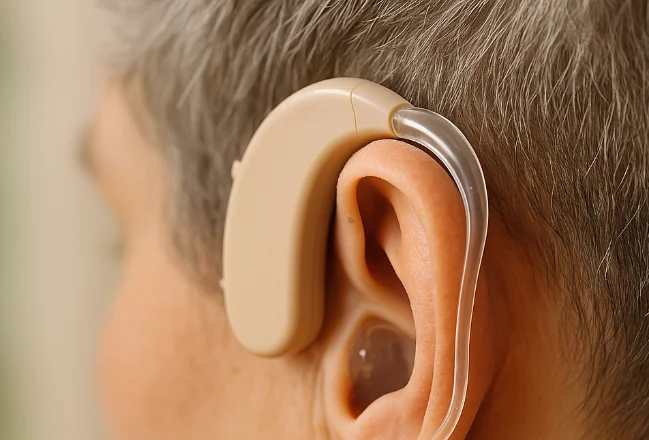
Yes, they can help when tinnitus occurs alongside hearing loss. By restoring everyday sounds, hearing aids can make tinnitus less noticeable2. A specialist will check whether this suits you.
Is pulsatile tinnitus serious?
Pulsatile tinnitus is often not serious, but because it can relate to blood flow near the ear, it should be assessed. See a specialist, especially if it is new, in one ear, or bothering you.
How can I sleep better with tinnitus?
A calm bedtime routine, gentle background sound and good sleep habits can all help. Many people use sound therapy at night so the room is not completely silent. If sleep is badly affected, mention it at your assessment.
Can I get tinnitus treatment privately in London?
Yes. A private audiovestibular clinic in London can offer a prompt assessment and a tailored treatment plan, often without needing a GP referral. This can suit you if you want to be seen quickly or prefer a longer, more personalised appointment.
References
1 NHS. Tinnitus. https://www.nhs.uk/conditions/tinnitus/ (accessed June 2026).
2 National Institute for Health and Care Excellence (NICE). Clinical Knowledge Summaries: Tinnitus. https://cks.nice.org.uk/topics/tinnitus/ (accessed June 2026).
3 Tinnitus UK (British Tinnitus Association). Tinnitus retraining therapy and sound therapy. https://tinnitus.org.uk/ (accessed June 2026).
4 Fuller T, et al. Cognitive behavioural therapy for tinnitus. Cochrane Database of Systematic Reviews. https://www.cochranelibrary.com/cdsr/doi/10.1002/14651858.CD012614.pub2/full (accessed June 2026).