
Bilateral vestibulopathy (BVP) is a balance disorder caused by reduced or absent function of the balance organs in both inner ears. It commonly leads to unsteadiness, difficulty walking in the dark or on uneven surfaces, and visual instability during movement. While there is no cure, targeted therapies can significantly reduce symptoms and improve quality of life.
Understanding Bilateral Vestibulopathy: Symptoms, Diagnosis, and Treatment Option
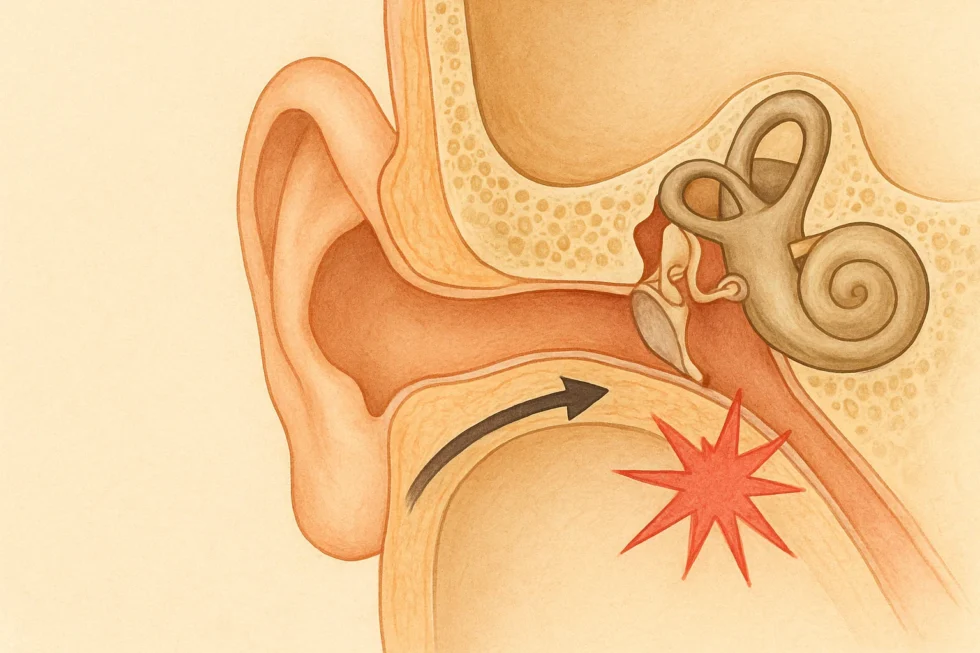
Bilateral vestibulopathy, or BVP, is a vexing condition whereby the balance organs in both inner ears have been damaged or are simply not functioning in the proper manner. The scientific name for these balance organs is “vestibular labyrinths” and their job is to assist the brain in detecting head movements in order to keep the body in balance. When they are damaged or otherwise malfunctioning, they send only weak, often inconsistent balance signals, which can cause a person to lose their balance.
What Causes BVP?
It is believed that some viral infections, genetic disorders, autoimmune conditions and ageing may be to blame, depending on the person. Unlike many other conditions of the inner ear that can lead to dizziness, BVP typically manifests as more of a feeling of general unsteadiness.
The following are some additional symptoms of BVP:
- Difficulty balancing in dark places or on uneven surfaces.
- A feeling of disorientation when turning the head quickly.
- The extra effort it takes to stay balanced can cause fatigue.
- Any or all of the above increase the risk of falls.
- Diagnosing BVP
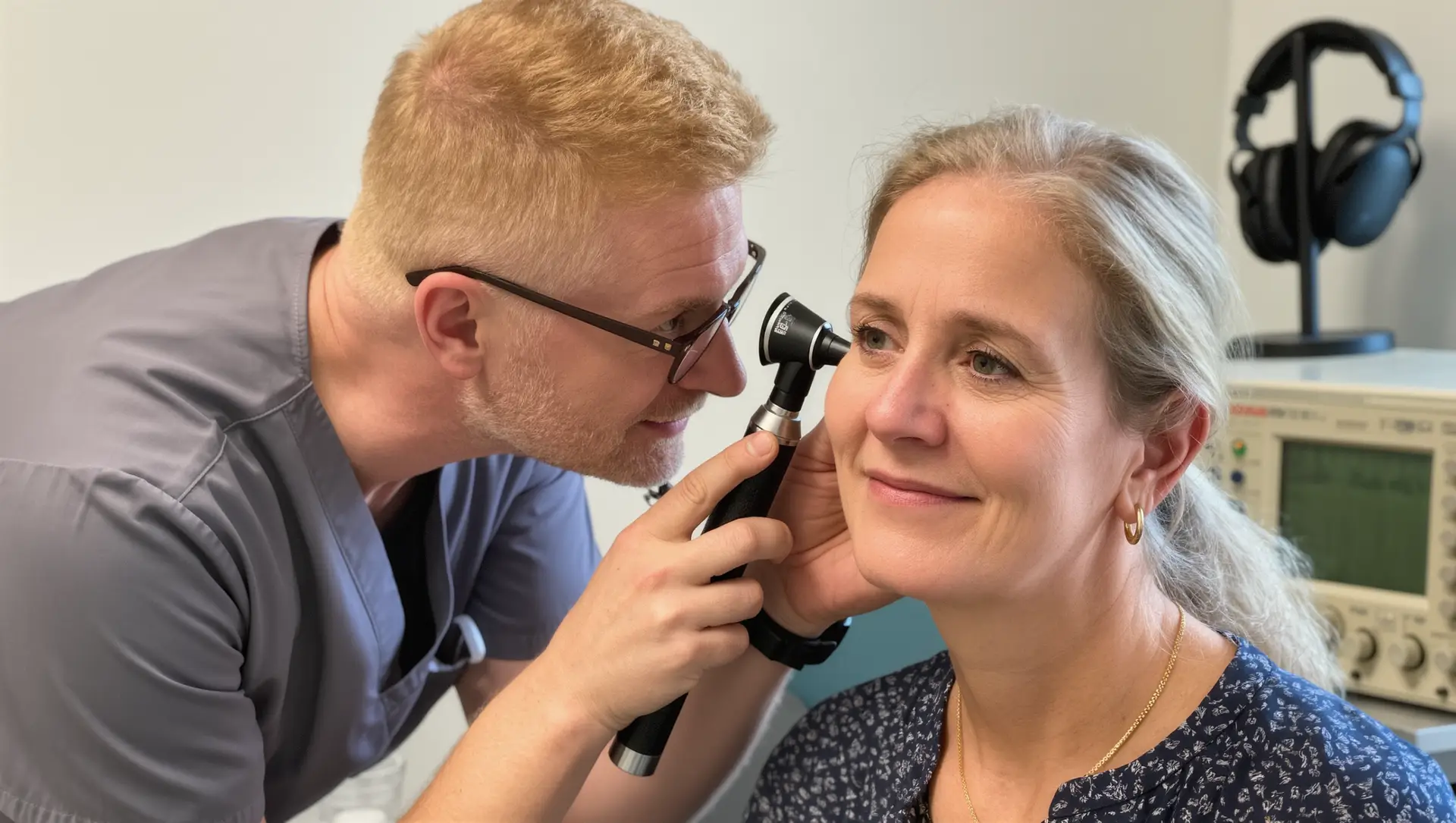
BVP is typically diagnosed in one or more of the following ways:
- Rotational chair testing to assess how the inner ears respond.
- Videonystagmography (VNG) which measures eye movements related to balance.
- The Video Head Impulse Test which measures the vestibulo-ocular reflex.
- Caloric testing which evaluates each ear’s response to warm and cool water.
- Posturography to assess how well a person is able to balance themselves in different conditions.
BVP Treatments
When treating BVP, the audiologist treats the symptoms, as there is currently no “cure” for the condition. The following therapies are known to reduce the severity of symptoms:
- Vestibular rehab therapy aimed at training the brain to use vision for balance more effectively.
- Strength exercises to improve overall balance and stability.
- Lifestyle adjustments, such as avoiding uneven terrain and improving the lighting in your home.
- Mobility aids, if necessary, are used to reduce the risk of falls.