
Bilateral vestibulopathy, also known as bilateral vestibular failure, causes persistent imbalance, unsteadiness and oscillopsia (bobbing vision), particularly in low-light conditions. At Harley Street AVM in London, we provide expert diagnosis and personalised treatment for this complex balance disorder.

Expert Bilateral Vestibulopathy Treatment in Harley Street
Bilateral vestibulopathy also known as bilateral vestibular failure, creates a feeling of persistent imbalance, to the point that the person may feel like they could fall over at any time while walking, running or engaging in other physical activities. It can also lead to symptoms of oscillopsia or bobbling vision. The condition tends to manifest itself most acutely when people are trying to navigate in the dark, as when they get up during the night to visit the bathroom. If you suspect you may be suffering from this condition Harley St AVM provide expert diagnosis and bilateral vestibulopathy treatment in London.
Bilateral Vestibulopathy Causes
The potential causes of bilateral vestibulopathy are numerous and include:
- Injury to the balance mechanisms of the inner ear
- A persistent inner ear condition such as Meniere’s disease
- Severe head injury resulting from an accident
- Various autoimmune disorders
- Certain medications including gentamicin, kanamycin and streptomycin
- Cerebellar ataxia (the CA), neuropathy (N), and vestibular areflexia (VA) syndrome or CANVAS
- Various chemotherapy drugs
- B12/folate deficiency
Bilateral Vestibulopathy Diagnosis
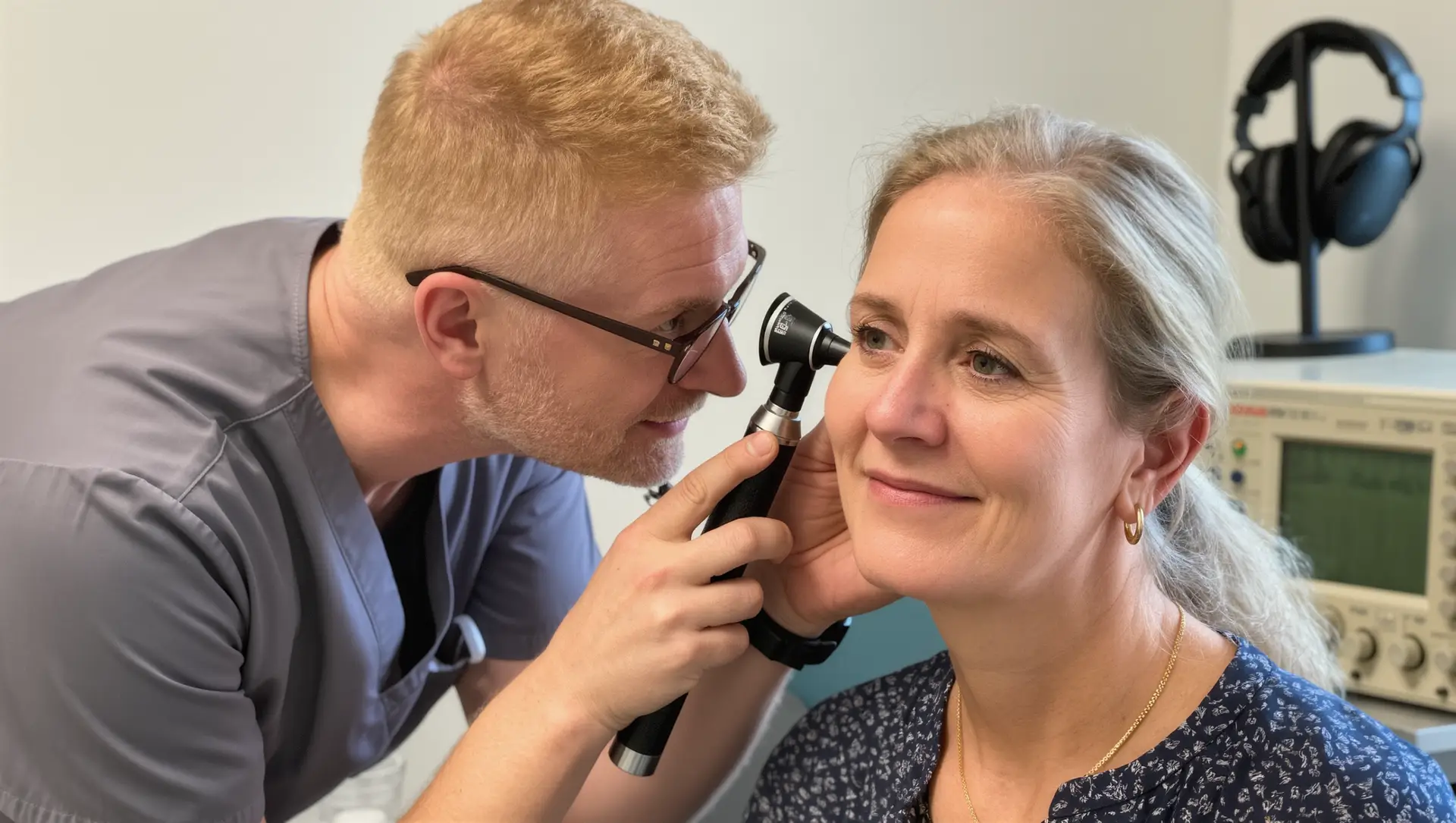
The experts at Harley Street AVM use a variety of approaches to diagnose bilateral vestibulopathy. These include tests of vestibular function including video head impulse test, calorics, cVEMP, videonystagmography and more that are designed to assess the patient’s vestibular function. Once a positive diagnosis has been made the most appropriate therapeutic course of action will be recommended.
Long-Term Prognosis
The long-term prognosis will depend in large part on the cause of the condition. Serious head injuries for instance may have other, far-reaching implications. Whereas if the condition is a reaction to certain medications discontinuing the medicine (if possible) may be helpful. Even those with other mitigating circumstances may experience improvement in their symptoms following treatment such as vestibular physiotherapy
Bilateral Vestibulopathy Treatment London
Potential treatments for bilateral vestibulopathy may include balance exercises, relaxation techniques and visual exercises aimed at bolstering the patient’s connection to their surroundings. The precise treatment that is right in your case, however, will depend on the cause, the severity of your symptoms, any contributing factors and your overall health.
To learn more or to arrange an appointment call Harley Street AVM on 020 3480 9630, or write to us at: info@harleyavm.com