

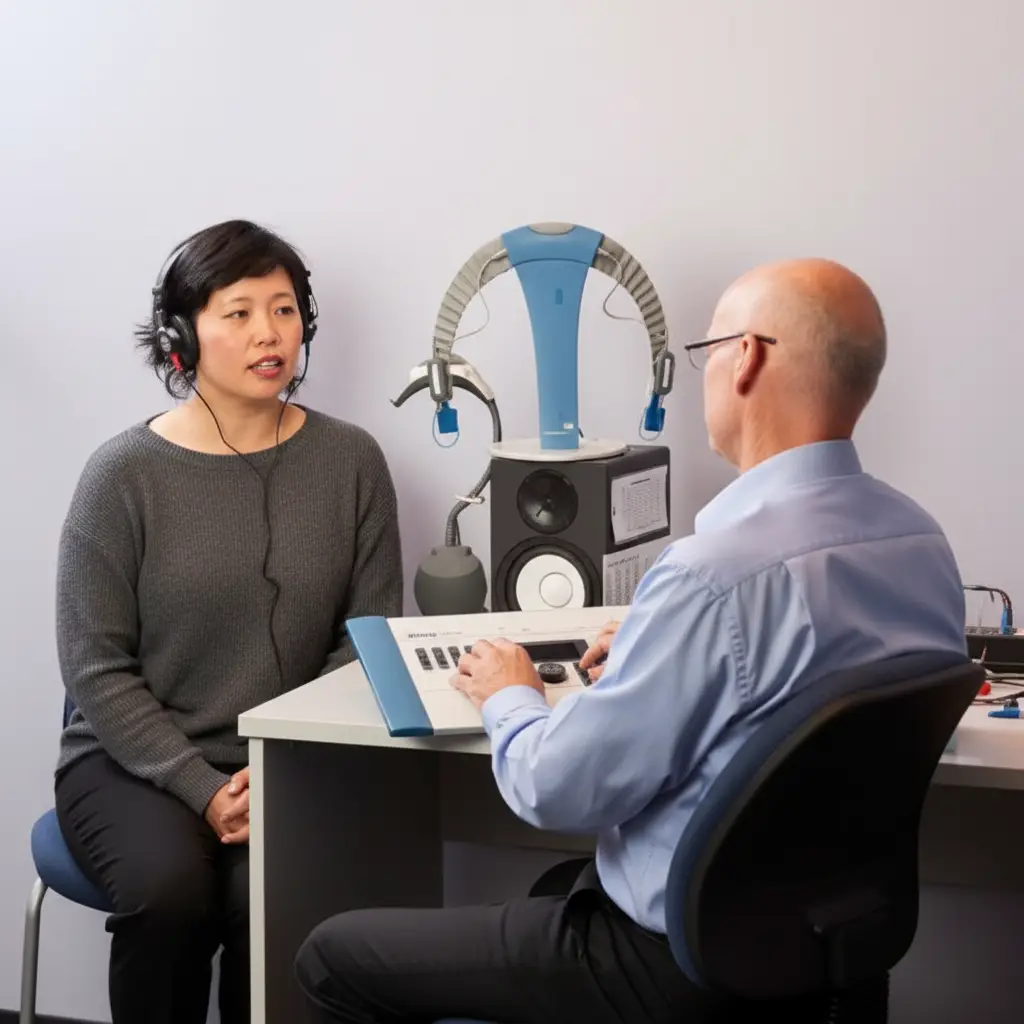
Hearing is not only about detecting sound in the ears but also about how the brain processes and makes sense of it. When this processing is disrupted, people may hear sounds clearly yet struggle to follow speech, especially in noise.

Auditory Brainstem Response Test
Hearing relies not only on the ear detecting sound, but also on the auditory nerve and brainstem transmitting signals accurately. When this pathway is disrupted, people may experience unclear hearing, sound distortion, asymmetry between ears, or unexplained hearing loss.

Threshold Equalizing Noise Test
Hearing loss does not always affect the inner ear evenly. In some cases, certain sound frequencies stop being processed effectively, creating “dead regions” within the cochlea.
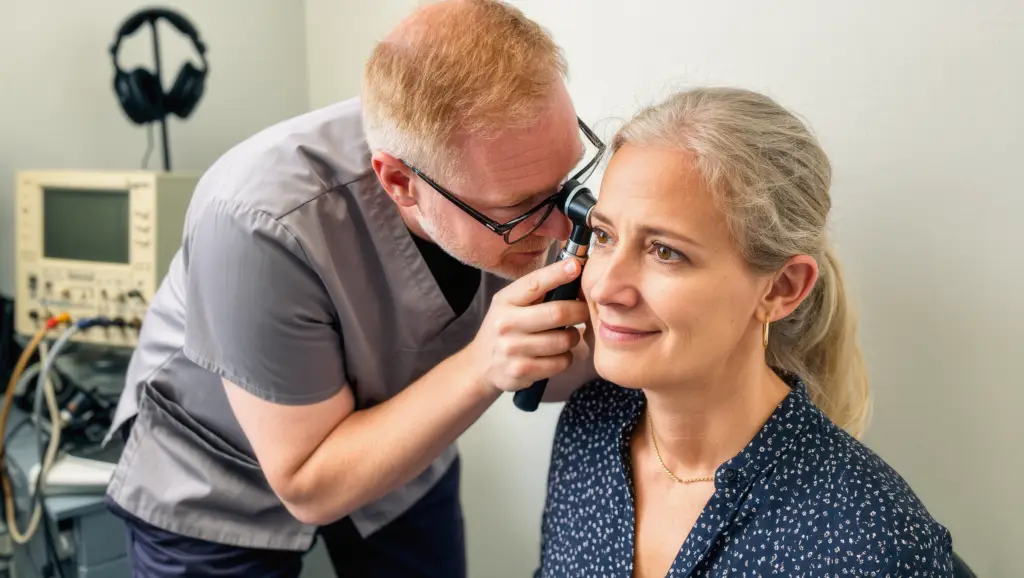
Speech In Noise Tests
Understanding speech becomes more demanding when background noise competes with conversation. Even with normal hearing levels, some people struggle to follow voices in busy places like restaurants or meetings.
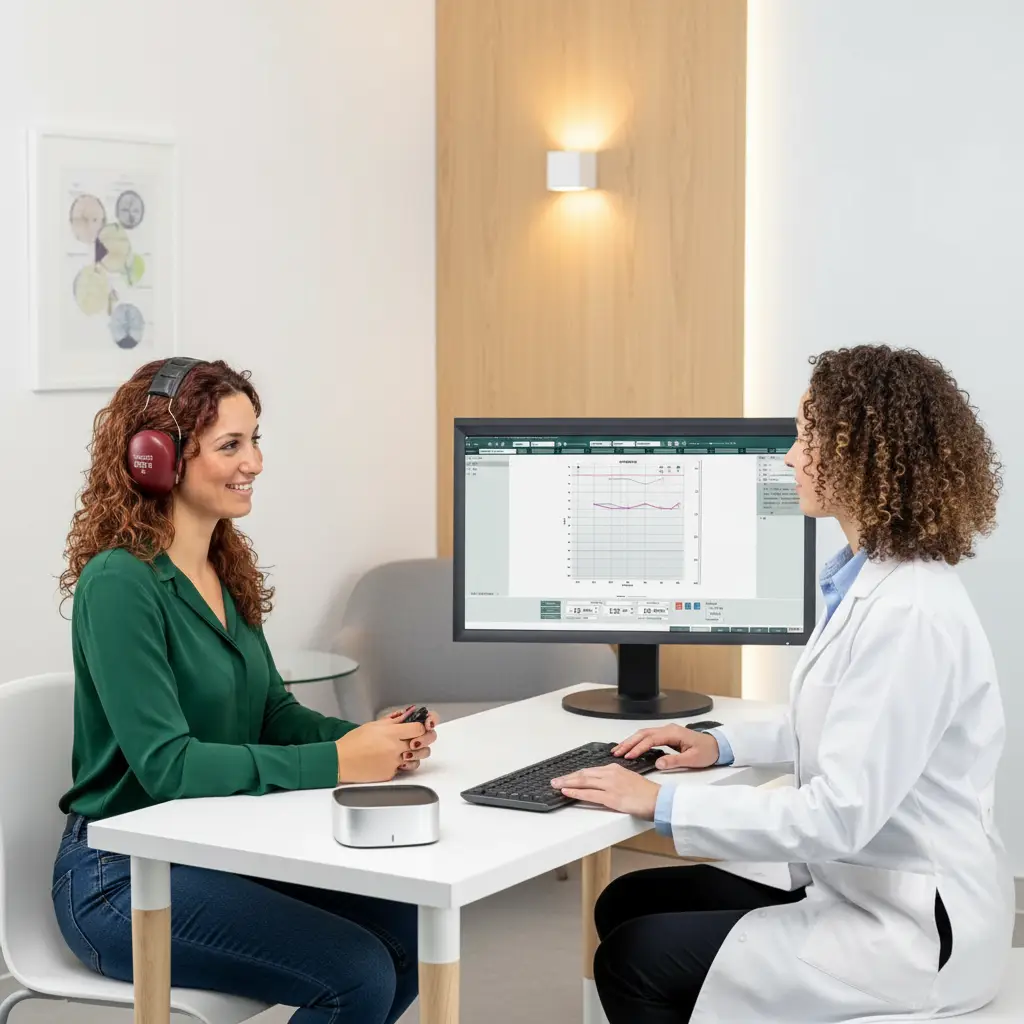
Speech Audiometry
Hearing clearly involves more than detecting sound; it also requires the brain to recognise and interpret speech accurately. When this process is disrupted, people may hear voices but struggle to follow conversations, especially in noisy environments.
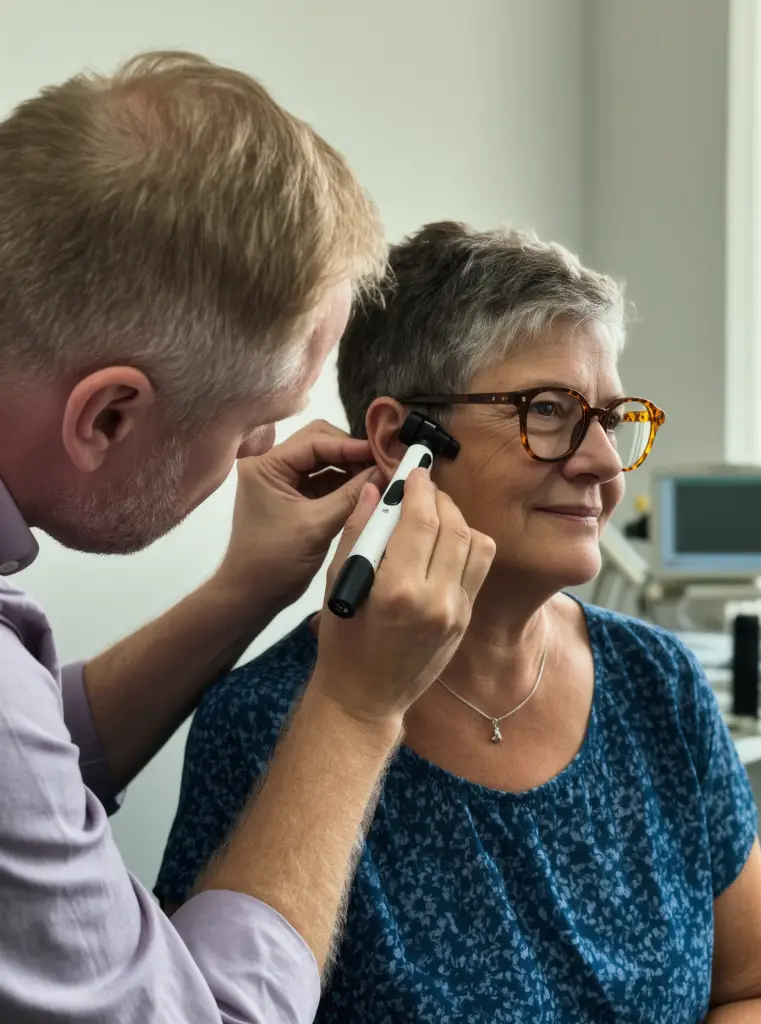
Otoacoustic Emissions Test
Clear hearing depends on tiny sensory cells inside the inner ear responding accurately to sound. When these cells are affected, hearing may feel reduced, distorted, or effortful, even if routine tests appear normal.

Eustachian Tube Function Test
The eustachian tube connects the middle ear to the back of the nose, opening briefly to equalise pressure and drain fluid. When this process fails, pressure builds or becomes unstable.

Acoustic Reflex Threshold
The ear has a natural reflex that responds to loud sounds by tightening tiny middle-ear muscles to protect hearing clarity. When this reflex is altered or absent, people may notice sound sensitivity, difficulty tolerating noise, or changes in hearing comfort.

Tympanometry
Healthy hearing depends on the eardrum and middle ear moving freely as air pressure changes. When this movement is restricted, people may feel fullness, blockage, muffled hearing, or pressure that does not clear.
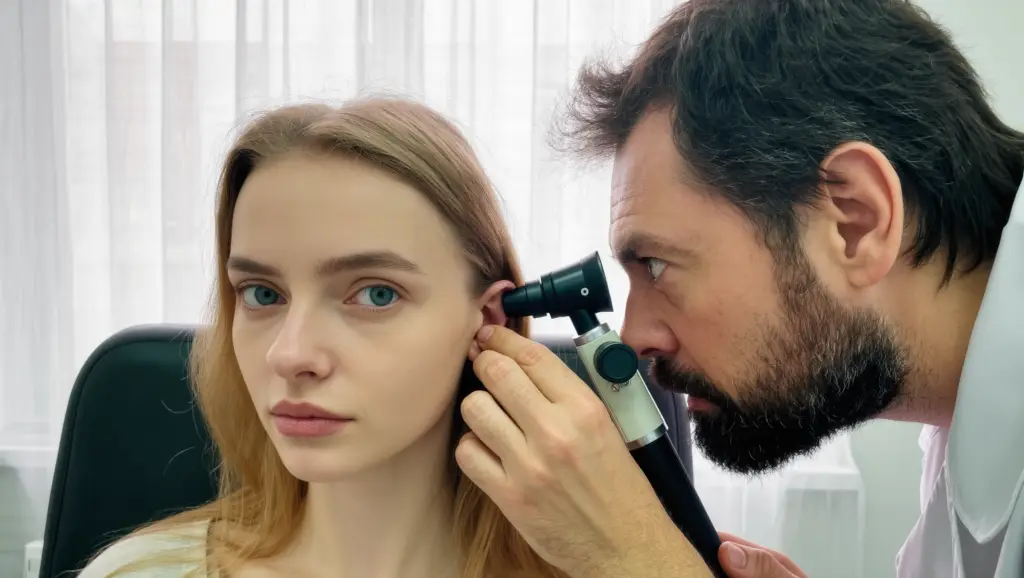
Pure Tone Audiometry
Hearing relies on the ear and hearing pathways accurately detecting sounds across different pitches and volumes. When this system changes, people may notice muffled hearing, difficulty following speech, or sounds seeming quieter or distorted.