


The horizontal roll test (also known as the supine roll test) is a diagnostic test designed to reveal the presence of Horizontal Canal Benign Paroxysmal Positional Vertigo or HC-BPPV.
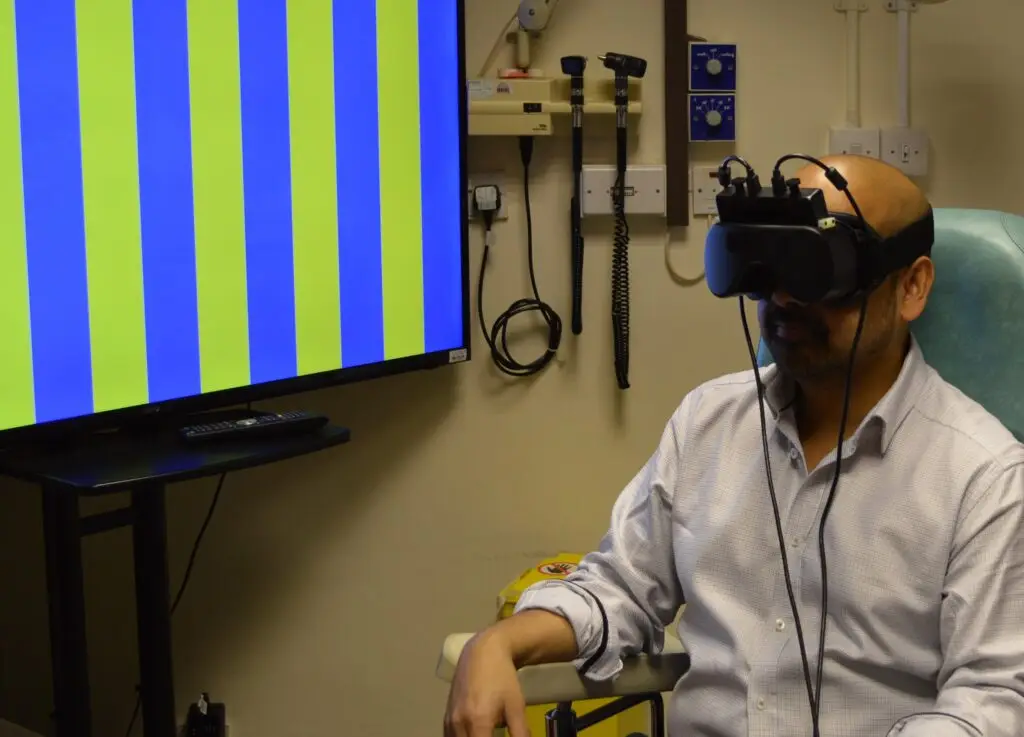
Dix-Hallpike Maneuver
The Dix-Hallpike test is used to diagnose Benign Paroxysmal Positional Vertigo or BPPV. BPPV is one of the most common types of inner ear disorders and typically produces a sudden sensation of dizziness or spinning when a person moves their head into certain positions.
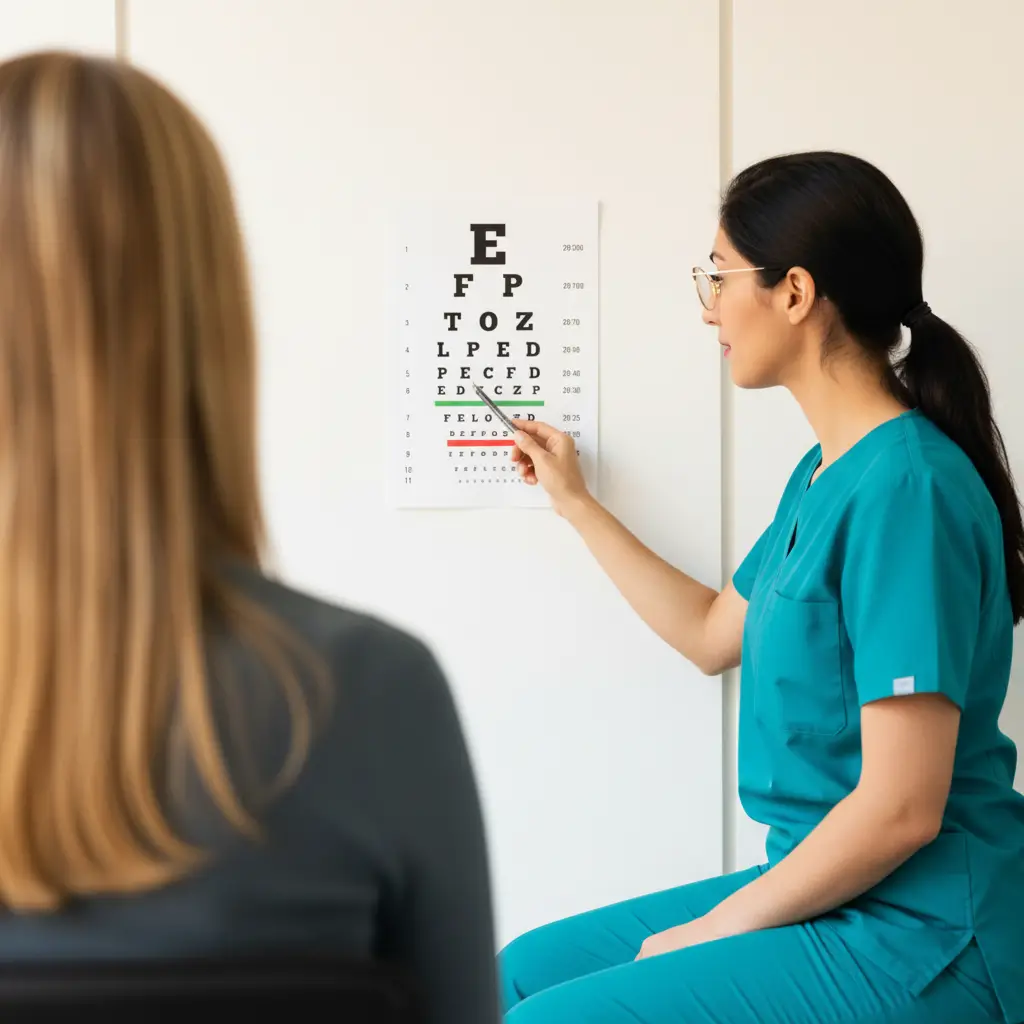
Dynamic Visual Acuity Testing
Clear vision while moving depends on fast coordination between the inner ear, eyes, and brain. When this link weakens, people may notice blurring, bouncing vision, or difficulty focusing while walking or turning the head.
Subjective Visual Vertical/Horizontal
Your sense of balance relies on balance organs in the inner ear sending accurate signals to the brain. When these signals shift, people may feel tilted, pulled to one side, or visually misaligned.

Posturography
Staying upright relies on coordination between the inner ear, vision, and body sensation from the feet and joints. When these systems stop working together, people may feel unsteady, wobbly, or unsure on their feet.
Caloric Test
Balance relies on both inner ears working together. When one side responds differently, people may experience spinning sensations, imbalance, nausea, or veering to one side.

Video Head Impulse Test
Clear vision during movement depends on rapid reflexes between the inner ear and the eyes. When these reflexes weaken, people may feel dizziness, brief blurring, imbalance, or instability when turning their head.
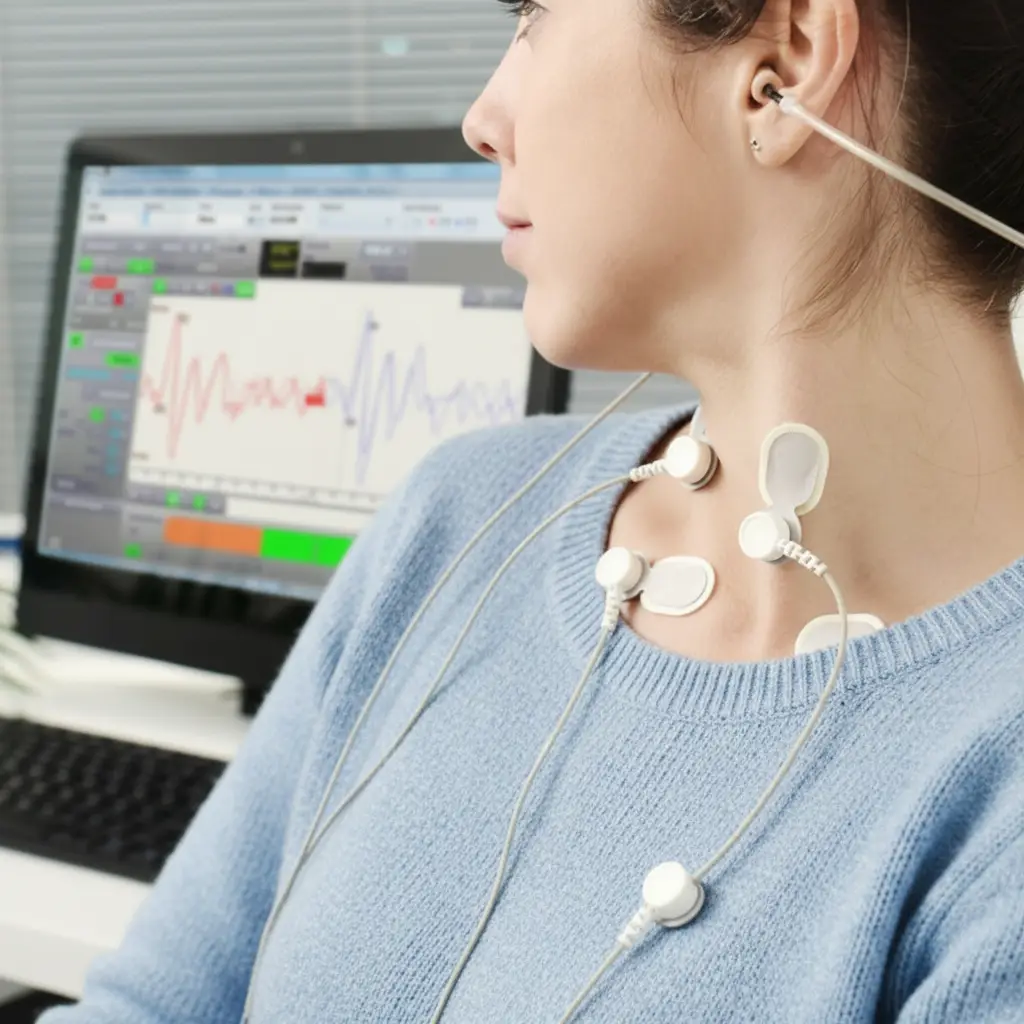
Vestibular Evoked Myogenic Potentials
Balance depends on more than just movement sensors. Certain inner-ear organs respond to sound and vibration, helping the brain detect head position and stability.
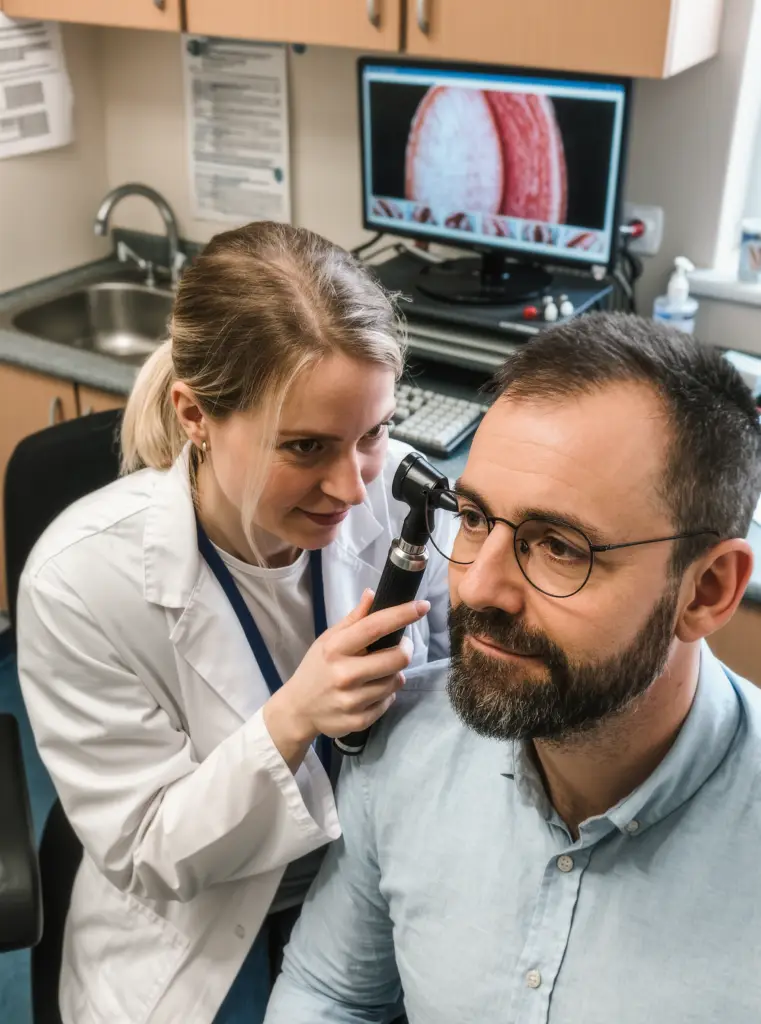
Electronystagmography or Videonystagmography
Balance relies on signals between the inner ear, eyes, and brain. When this system misfires, people may feel spinning, drifting, blurred vision, or unsteadiness.